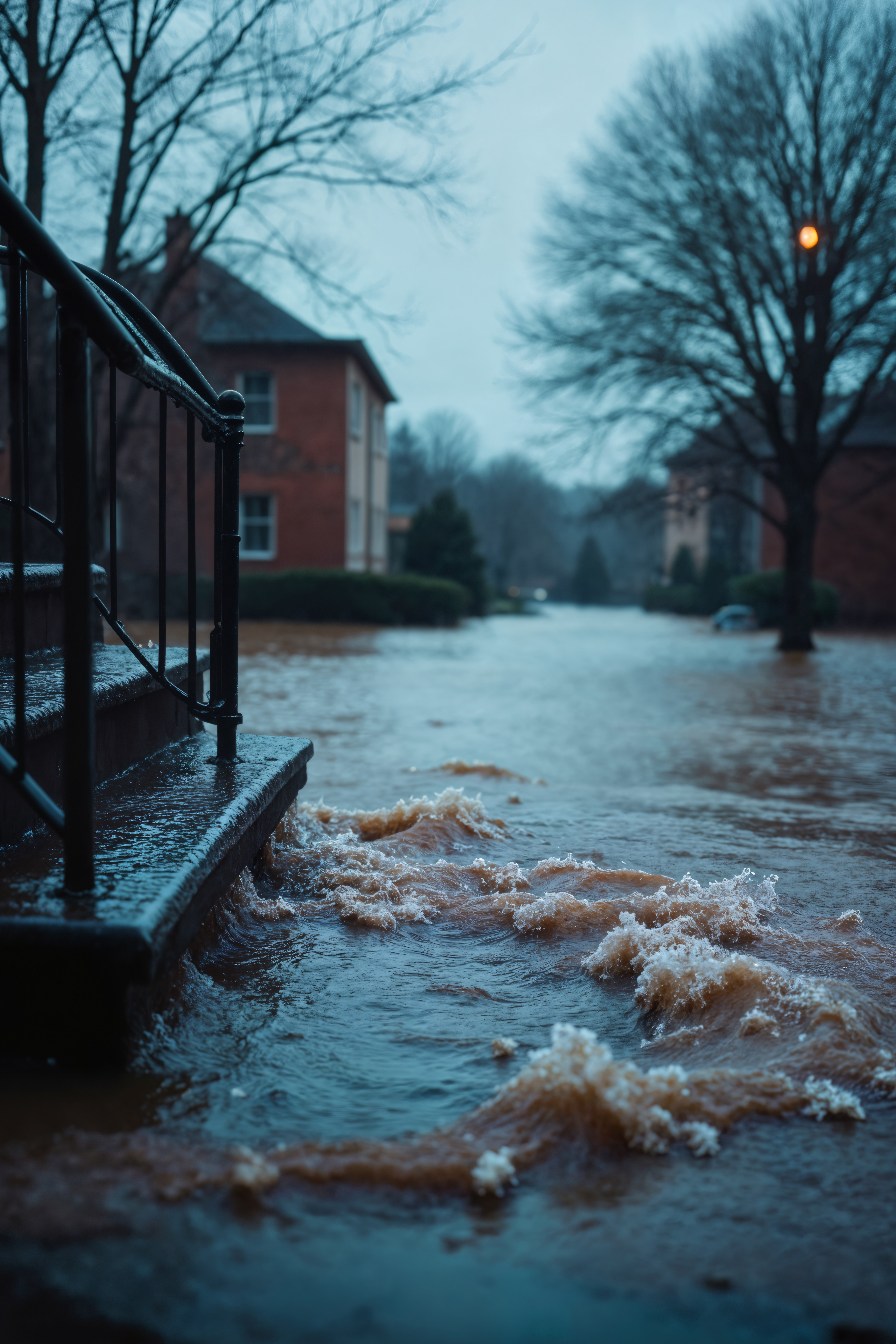
What Is the Process for Filing a Claim for a Flood-Damaged Car?
With Houston currently under a flood watch and thousands of vehicles at risk during the FIFA World Cup, knowing exactly how to file a flood damage claim could save you thousands of dollars. Here is a step-by-step breakdown of the process.
Step 1: Stay Safe and Do Not Start the Engine
Before anything else, your personal safety takes priority. Do not approach your vehicle if water is still rising or if floodwaters are actively moving. Once it is safe, resist the instinct to start the engine — starting a flooded engine can push water further into the cylinders and cause catastrophic hydrolocking damage that turns a repairable vehicle into an instant total loss. Instead, have the vehicle towed to a dry, covered location immediately to prevent additional mold and corrosion damage from setting in.
Step 2: Document Everything Thoroughly
Documentation is the foundation of a successful flood damage claim. Documenting with video or photos is critical because each claim presents its own issues — factors may include the extent of damage, type of damage, age of the vehicle, make and model, and mileage driven to date. Photograph the water line on the exterior and interior, the engine compartment, the dashboard, upholstery, flooring, and any visible electrical damage. Take detailed notes about things photos cannot capture — the smell of mold, wet carpeting, or corrosion on metal components.
Step 3: Contact Your Insurer Immediately
Speed matters after a flood event. Car owners should file a claim as soon as possible after flooding. Flood claims spike fast after major storms, and earlier filings often move faster through the system before adjusters become overwhelmed. You can file by calling your insurer directly, through their mobile app, or online. When you file, write down your claim number immediately and get the name and direct contact information of the adjuster assigned to your case.
Step 4: Work Through the Adjuster's Assessment
Once your claim is filed, the assessment process begins. Insurance companies may ask you to join a Zoom or FaceTime call so the adjuster can see the damage remotely — a process that has become standard after major disasters when in-person adjusters are overwhelmed, and travel is difficult. The adjuster will evaluate all damage and determine whether the vehicle can be repaired or must be declared a total loss. If declared a total loss, you will receive the vehicle's actual cash value minus your deductible.
Step 5: Know Texas's Legal Deadlines
Missing the filing deadline forfeits your right to compensation entirely. In Texas, the statute of limitations for property damage claims, including flood damage to vehicles, is generally two years from the date the damage occurred — and policy specifics can vary, so reviewing your policy for any shorter internal reporting deadlines is critical. Under the Texas Prompt Payment of Claims Act, your insurer must acknowledge your claim within 15 days, accept or deny it within 15 business days of receiving documentation, and pay within 5 business days of acceptance — with an 18% annual interest penalty for violations.
Step 6: Watch for the Flood Title
For a vehicle that has been damaged from flooding in Texas, the words "Flood Damage" must be included on the vehicle's title — and failure to disclose that information when selling the vehicle may be a violation of Texas law. If your vehicle is repaired rather than totaled, confirm with the Texas Department of Motor Vehicles whether a branded title applies to your situation before accepting any settlement or selling the vehicle in the future.