Is a Flood-Damaged Car Repairable?
With Houston currently under a flood watch and thousands of vehicles exposed to rising water during the FIFA World Cup, this question is urgent for both individual drivers and commercial fleet operators across Southeast Texas. The answer depends heavily on how deep the water was — and whether you have the right coverage.
Most Flood-Damaged Cars Are Declared Total Losses
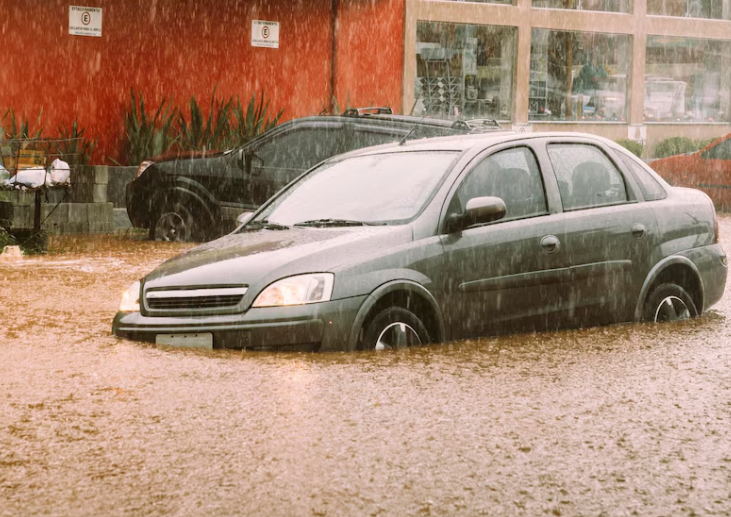
The hard truth about flood damage is that repair is the exception, not the rule. When water enters your engine's air intake, it can lead to all sorts of problems — water can enter the intake and fill engine cylinders, stalling the motor or leaving it unable to start. Computer modules can fail from getting wet, and long-term electrical problems often develop weeks after the initial flooding. In most cases, the cost of fixing a damaged engine, electrical and computer parts, and a car's interior — accounting for mold, moisture, or corrosion — is too high to warrant repairs, and insurers declare the vehicle a total loss. Electric and hybrid vehicles face even greater danger — flood-damaged batteries in EVs and hybrids can produce flammable gases, posing a major fire hazard.
Comprehensive Coverage Is the Only Protection That Applies
Neither liability nor collision coverage helps a flood victim. Car insurance covers flood damage only when you have comprehensive coverage on your policy — this part of your auto insurance is designed to protect your vehicle from rising water, storm surge, or a sudden natural disaster. Liability or collision will not help in a flood. Comprehensive car insurance will typically pay to repair or replace your vehicle, no matter what part was damaged by flooding — whether the engine, electrical system, transmission, or other component — and also typically covers mold on the interior and cosmetic issues like rust or corrosion that often arise from water damage.
Commercial Auto Insurance and Fleet Vehicles
For businesses operating fleets in Houston right now, the commercial auto implications are significant. Commercial auto policies mirror personal auto in that comprehensive coverage is required for flood protection — but the stakes are exponentially higher. A single flood event can simultaneously damage multiple delivery vehicles, shuttle buses, or service trucks, generating claims that can reach hundreds of thousands of dollars. Insurance companies often institute binding restrictions when storms are predicted, prohibiting new policies from being issued and changes from being made to current policies — meaning commercial operators without adequate comprehensive coverage before this week's flood watch have no way to add it now.
What Happens After a Total Loss Determination
If the car is totaled, the insurer pays the actual cash value of the vehicle minus your deductible, and the car is typically given a salvage or flood title. If a flood-damaged car was fully repaired, most insurers will allow you to insure it like any other car — but if it received a salvage title, insuring it becomes much more difficult, and many insurers will only offer liability coverage, leaving owners to pay for any future flood-related repairs out of pocket.
What To Do Right Now
Filing a flood damage claim usually makes sense when the repair cost is significantly higher than your deductible plus the expected rate increase — with the average comprehensive claim raising rates by about $554 per year, the math typically favors filing when flood damage is severe. Document all damage immediately with photos and video, avoid starting a flooded engine, have the vehicle towed to a dry location to prevent further mold damage, and contact your insurer as soon as it is safe to do so.