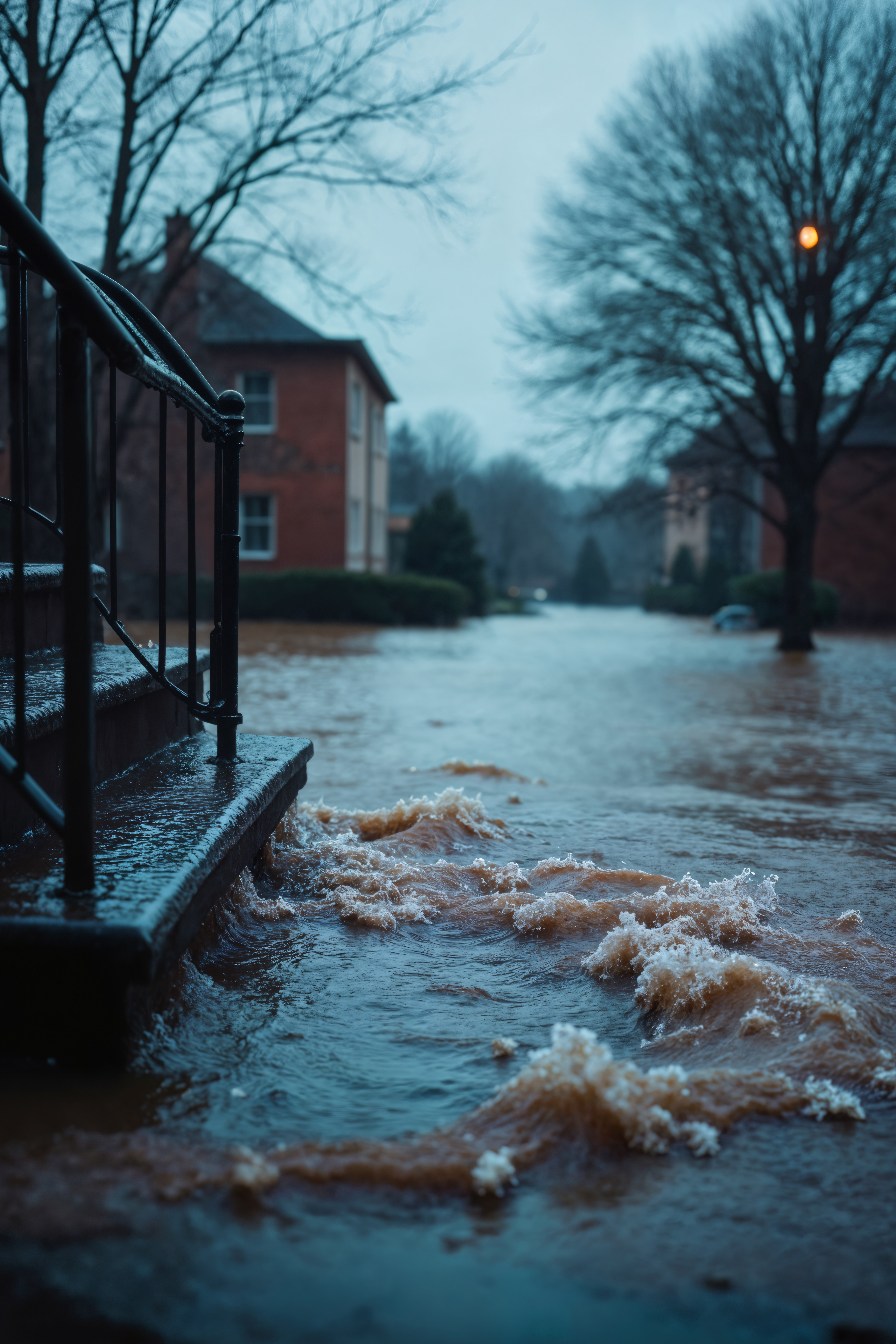
Is Flood Insurance No Longer Offered By Commercial Insurance Companies?
Flood insurance is not disappearing — but the landscape has shifted dramatically, and the traditional sources of coverage are under serious strain. Here is the full picture of where flood insurance stands in 2026.
Standard Commercial Policies Have Never Covered Floods
The first and most critical point to understand is that commercial insurers never offered flood coverage as part of standard policies to begin with. Standard homeowners and commercial property policies cover wind-related damage but exclude flood losses entirely. This has always been the case — flood insurance has always required a separate policy, either through the federal government's National Flood Insurance Program or a private flood insurer. What has changed dramatically is the availability and affordability of both options.
The NFIP Has Been on Shaky Ground
The federal program that most Americans depend on for flood coverage has faced repeated instability. Since 2017, the NFIP has had to be reauthorized more than 30 times, and in fall 2025, its authorization lapsed for 43 days during the government shutdown — the longest lapse in the program's history. The NFIP's authority to issue and renew policies expired on September 30, 2025, meaning no new or renewal NFIP policies could be written until Congress reauthorized the program. The program is currently authorized through September 30, 2026 — setting up yet another potential lapse deadline just as hurricane season peaks.
Private Insurers Are Stepping Into the Gap
With the NFIP's repeated disruptions, private flood insurers have been rapidly expanding their market share. About a decade ago, private insurers held about 13% of the flood insurance market. By 2024, private insurers' share had grown to around 27%, with typically a better loss ratio than the NFIP. With the NFIP temporarily unavailable for new or renewed policies during the 2025 shutdown, the private market became the primary source of flood coverage for many homeowners and commercial property owners. Private options can provide higher limits, broader coverage, and, in many cases, more competitive pricing than the NFIP.
Risk Rating 2.0 Is Driving People Out of the Market
The bigger threat to flood insurance availability is not insurers pulling out — it is unaffordability, forcing policyholders to drop coverage voluntarily. Since Risk Rating 2.0 took effect, flood insurance premiums have increased in every state, with FEMA estimating approximately 77% of policyholders now pay more than they would've under the prior system. In Louisiana and other flood-prone states, premium increases of well over 100% have forced tens of thousands of homeowners to drop coverage altogether. Senators have warned of an "actuarial death spiral" — as participation erodes, the insurance pool weakens, forcing rates higher still and pushing even more policyholders out of the market.
What Texas Property Owners Should Do Right Now
Flooding in Texas in 2025 generated $18 to $22 billion in economic losses — most of it uninsured. With hurricane season underway and Houston currently experiencing active flooding, Texas property owners should contact their broker immediately to explore both NFIP and private flood insurance options, compare coverage limits and pricing, and act before the NFIP's next authorization deadline arrives in September.