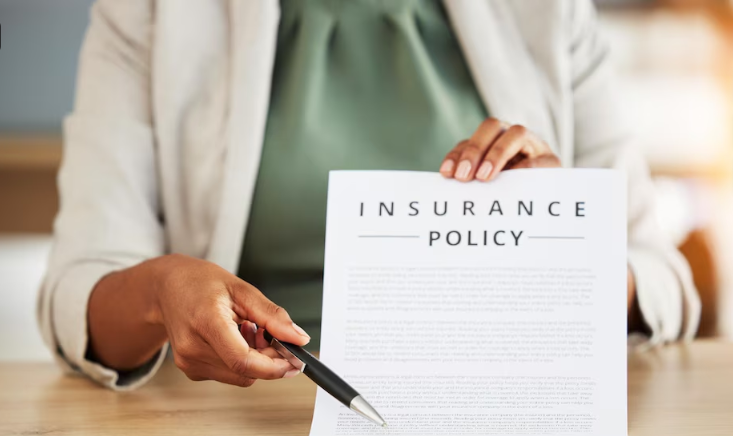
Spotting Fraudulent Insurance Policies: Tips for Texans
Insurance fraud is surging across Texas — and consumers are increasingly the target, not just the perpetrators. Here is what every Texan needs to know to avoid purchasing a fake policy.
The Fake Insurance Card Epidemic Is Growing Fast
The most rapidly rising fraud scheme in Texas right now involves counterfeit insurance documents. In 2023, there were 38 reports of fake insurance card fraud filed with the Texas Department of Insurance — but by 2025, that number had risen to 126. In just the first three months of 2026 alone, TDI recorded 37 new reports. In these scams, customers purchase what appears to be auto insurance coverage and are provided with ID cards that look exactly like a legitimate policy — but when insureds need to use their coverage or are pulled over, they discover they purchased a fraudulent policy, and the scammers have kept their money.
Red Flag #1: Prices That Are Too Good to Be True
The single most reliable warning sign of a fraudulent policy is an impossibly low premium. The TDI advises Texans to beware of companies that offer extensive coverage at a low price — because legitimate insurers operating in Texas's expensive market simply cannot offer dramatic discounts below what every other carrier is quoting. Be very suspicious of coverage that seems too good to be true or rates far below what other insurance companies are quoting.
Red Flag #2: Pressure to Pay in Cash or Through Apps
One of the most common schemes TDI investigators see involves scammers posing as insurance agents and insisting on direct payment in cash or through third-party payment apps — methods that are harder to trace. Real insurance companies may offer online payment, but it is always processed through their official website or app — never through outside payment platforms. If someone asks you to pay for insurance via Venmo, Zelle, CashApp, or cash, walk away immediately.
Red Flag #3: The Agent Is Not Verified
TDI fraud investigators warn consumers not to sign up for insurance on Facebook or through social media — and to check out the agent to make sure they are real before purchasing any policy. When shopping for insurance, make sure the person selling the policy is licensed in Texas and verify the insurance company itself is legitimate — consumers can call the TDI Help Line at 800-252-3439 to verify both the agent and the company before paying.
Red Flag #4: Few Questions Asked
Legitimate insurance requires underwriting — and underwriting requires information. Anyone offering insurance with few questions asked is a major red flag — because real insurers need to know your driving history, property details, claims history, and other risk factors before issuing a policy. If someone hands you a policy with almost no information gathered, the policy is almost certainly fake.
What to Do If You Suspect Fraud
In 2025, TDI's Fraud Unit helped secure $50.9 million in court-ordered restitution for victims — and the unit investigated 401 fraud cases across Texas. If you suspect you have purchased a fraudulent policy, report it immediately to the TDI Help Line at 800-252-3439 and file a complaint with the Texas Attorney General's Consumer Protection Division. Acting quickly gives investigators the best chance of recovering your money and shutting down the scammer before more Texans are victimized.