What Types Of Water Damage Qualify As “Flood”?
What Is Considered a “Flood”?
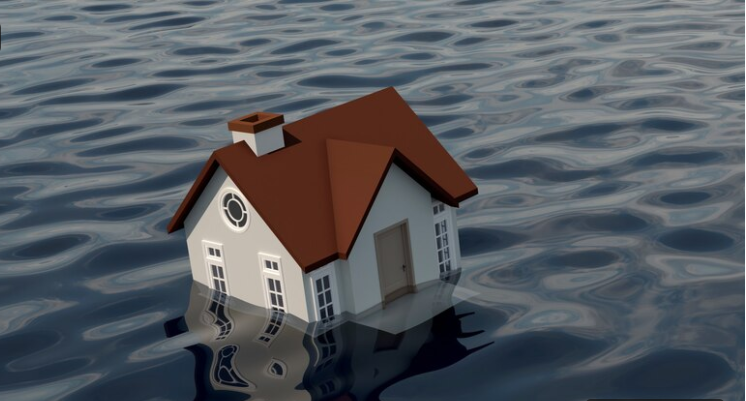
In insurance terms, a “flood” has a very specific definition. In the state of Texas, most policies—especially those through the National Flood Insurance Program—define a flood as a temporary condition where two or more acres of normally dry land, or two or more properties, are inundated by water. This definition is important because only certain types of water damage qualify for flood insurance coverage.
Water Damage That Qualifies as a Flood
Flood insurance generally covers damage caused by natural, external water sources. Examples include:
- Overflow of rivers, lakes, or streams
- Heavy rainfall leading to widespread surface water accumulation
- Storm surge from hurricanes or tropical storms
- Rapid snowmelt causing water to rise and spread
- Mudflows caused by flooding conditions
For damage to qualify, the water must come from outside your home and affect a broader area—not just your property.
Water Damage That Does NOT Qualify
Not all water damage is considered a flood. Many common scenarios are excluded from flood insurance and may instead fall under homeowners' insurance (or not be covered at all). Examples that typically do not qualify as flood damage include:
- Burst pipes inside your home
- Leaking roofs due to wear and tear
- Overflowing bathtubs, sinks, or appliances
- Sewer backups (unless you have special endorsements)
These types of damage are considered internal or accidental—not flood-related.
Why the Distinction Matters
It is imperative to comprehend the distinction between flood damage and other forms of water damage. A flood insurance policy will not provide coverage for damage that does not conform to the official definition of a flood. In the same vein, standard homeowners insurance typically does not cover flood damage, which can result in a coverage void if the appropriate policy is not in place.
Grey Areas and Disputes
Some situations fall into a gray area. For example:
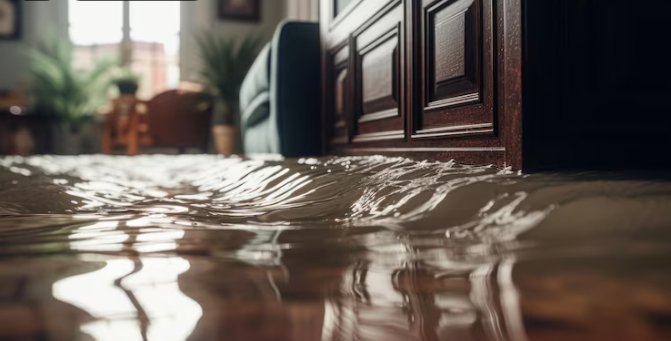
- Water entering your home after pooling outside may qualify as flood damage
- Sewer backups caused by rising floodwaters may be covered under flood insurance
These cases often lead to disputes between policyholders and insurers, making documentation and professional evaluation important.
Conclusion
Water damage qualifies as a “flood” only when it comes from a natural, external source and affects a broader area beyond your property. Knowing this definition helps ensure you have the right coverage and understand which policy applies when damage occurs.