Why Would Insurance Deny a Water Damage Claim?
Water Damage Coverage Depends on the Cause
One of the biggest reasons insurance companies deny water damage claims is that coverage often depends on how the water entered or damaged the property. Many homeowners assume all water-related damage is covered, but insurance policies typically distinguish between sudden, accidental damage and long-term maintenance issues.
For instance, a burst pipe that suddenly floods a room may be covered, while damage caused by a slow leak that developed over months may not be. Understanding what caused the water damage is often the first step insurers take when evaluating a claim.
The Damage Is Considered Maintenance Related
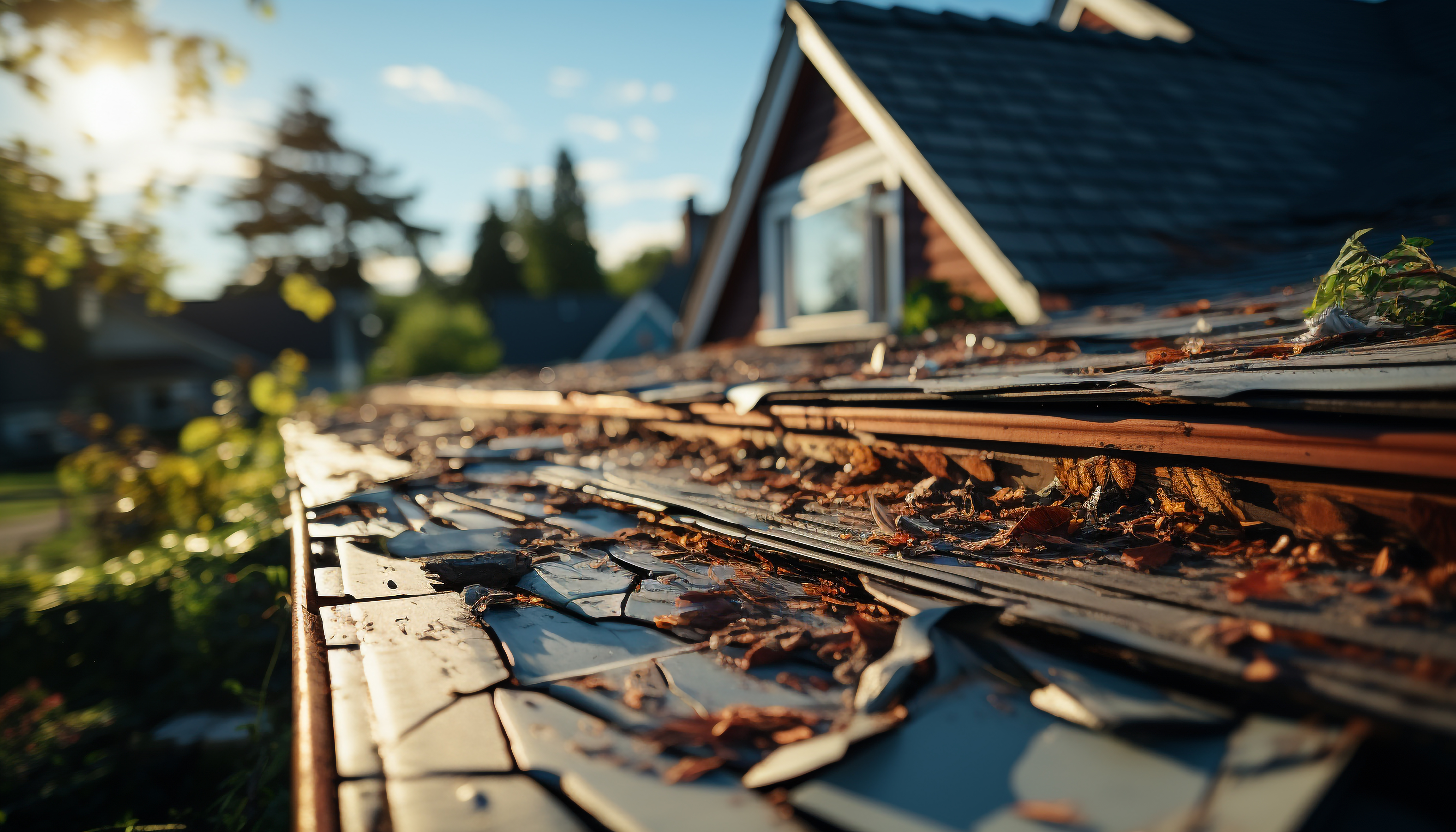
Insurance is generally designed to cover unexpected events rather than preventable maintenance problems. If an insurer believes the damage occurred because of neglected repairs, poor maintenance, aging plumbing, or unresolved leaks, they may deny the claim.
Common examples include:
- Long-term roof leaks
- Old plumbing systems that were never repaired
- Mold growth caused by unresolved moisture problems
- Repeated leaks that homeowners previously ignored
Insurance companies often argue that these situations could have been prevented through routine maintenance.
Flood Damage Usually Requires Separate Coverage
Many policyholders are surprised to learn that standard homeowners insurance frequently doesn't cover flooding. Water entering a home from rising water outside, storm surge, overflowing rivers, or heavy surface flooding often requires separate flood insurance.
This becomes particularly important in places like Texas, where hurricanes, severe storms, and flash floods regularly create significant water-related losses. Confusing flood damage with covered water damage is one of the most common reasons claims get denied.
Insufficient Documentation Can Hurt Your Claim
Insurance companies rely heavily on documentation when evaluating claims. Missing evidence can create problems even when the damage itself may otherwise qualify for coverage.
Important documentation often includes:
- Photos and videos of damage
- Receipts for damaged property
- Repair estimates
- Emergency mitigation invoices
- Records showing when damage occurred
Waiting too long to document damage may make it harder to prove what happened.
Delays in Reporting Can Trigger Denials
A lot of insurance plans say that policyholders have to report damage quickly. If you wait weeks or months to tell your insurance company about the damage, they might wonder if it got worse after the event.
Insurance companies might say that delays kept them from properly looking into what happened or made it harder for them to figure out what really happened.
Policy Exclusions and Coverage Limits Matter
Sometimes claims are denied simply because the damage falls under policy exclusions. Every policy contains specific limitations, exclusions, deductibles, and coverage caps that affect what gets paid.
Reading your policy carefully, understanding exclusions, and documenting damage quickly can significantly improve your chances of avoiding claim disputes when water damage occurs.