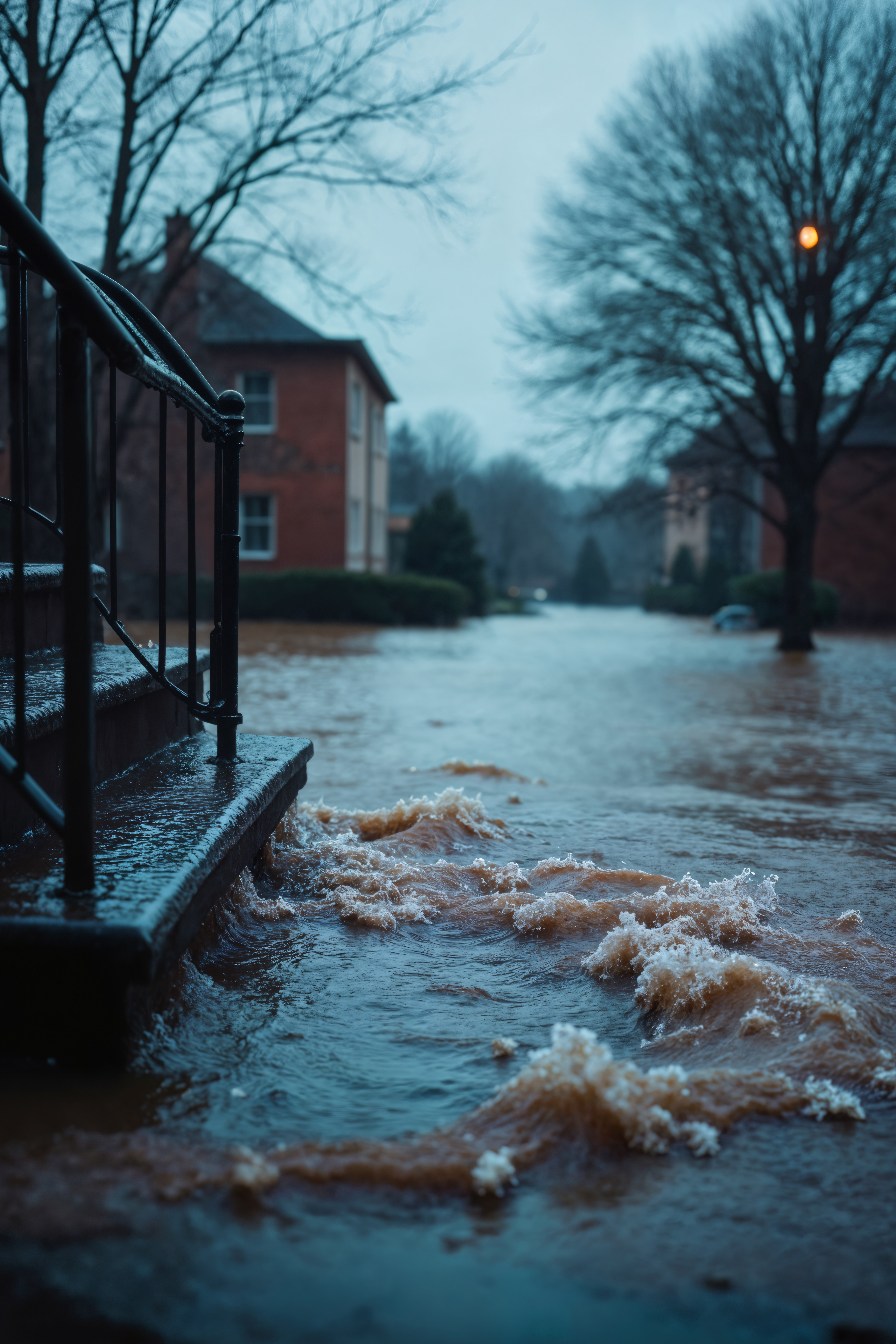
How to Properly Document Flood Damage
Why Documentation Matters
After a flood, proper documentation is critical for a successful insurance claim. In Texas, where flooding can occur suddenly and cause widespread damage, insurers rely heavily on evidence to determine what is covered and how much compensation you receive. The more detailed and organized your documentation is, the smoother your claims process will be.
Ensure Safety Before Documenting
Before you begin, make sure it is safe to enter your property. Floodwaters can carry contaminants, create electrical hazards, and weaken structures. If necessary, wait for clearance from local authorities. Your safety should always come first.
Take Clear Photos and Videos
Visual evidence is one of the most important parts of documenting flood damage. Take wide-angle photos of each room to show the overall impact, then follow up with close-up shots of specific damage. Capture:
- Water lines on walls
- Damaged flooring and carpets
- Ruined furniture and appliances
- Structural damage
Videos can provide a more complete view of the damage and help support your claim.
Create a Detailed Inventory
Make a list of all damaged or destroyed items. Include:
- Item descriptions
- Approximate purchase dates
- Estimated values
- Receipts (if available)
Organizing your inventory by room can make it easier for insurance adjusters to review your claim.
Keep Damaged Items When Possible
Avoid throwing away damaged belongings until your insurance adjuster has had a chance to inspect them. If items must be discarded for health reasons, take detailed photos beforehand to preserve evidence.
Document Structural and Hidden Damage
Flood damage is not always visible. Water can affect electrical systems, insulation, and foundations. Consider hiring a professional inspector to identify hidden issues and provide written reports that can support your claim.
Save All Receipts and Expenses
Keep records of any expenses related to the flood, including:
- Temporary repairs
- Cleanup supplies
- Hotel stays or temporary housing
- Professional services
These costs may be reimbursable under your insurance policy.
Notify Your Insurance Company Promptly
Contact your insurance provider as soon as possible to report the damage. Provide them with your documentation and follow their instructions for inspections and next steps. Delays can complicate your claim or lead to disputes.
Stay Organized Throughout the Process
Maintain a dedicated file—digital or physical—for all claim-related materials, including emails, forms, photos, and receipts. Staying organized helps prevent missing information and speeds up the claims process.
Conclusion
To properly record flood damage, you need to take detailed pictures, make detailed inventories, and keep your records in order. If you do the right things right away, your chances of getting fair pay after a flood will be much higher.