What Should I Do Before a Flood Occurs?
Understand Your Flood Risk
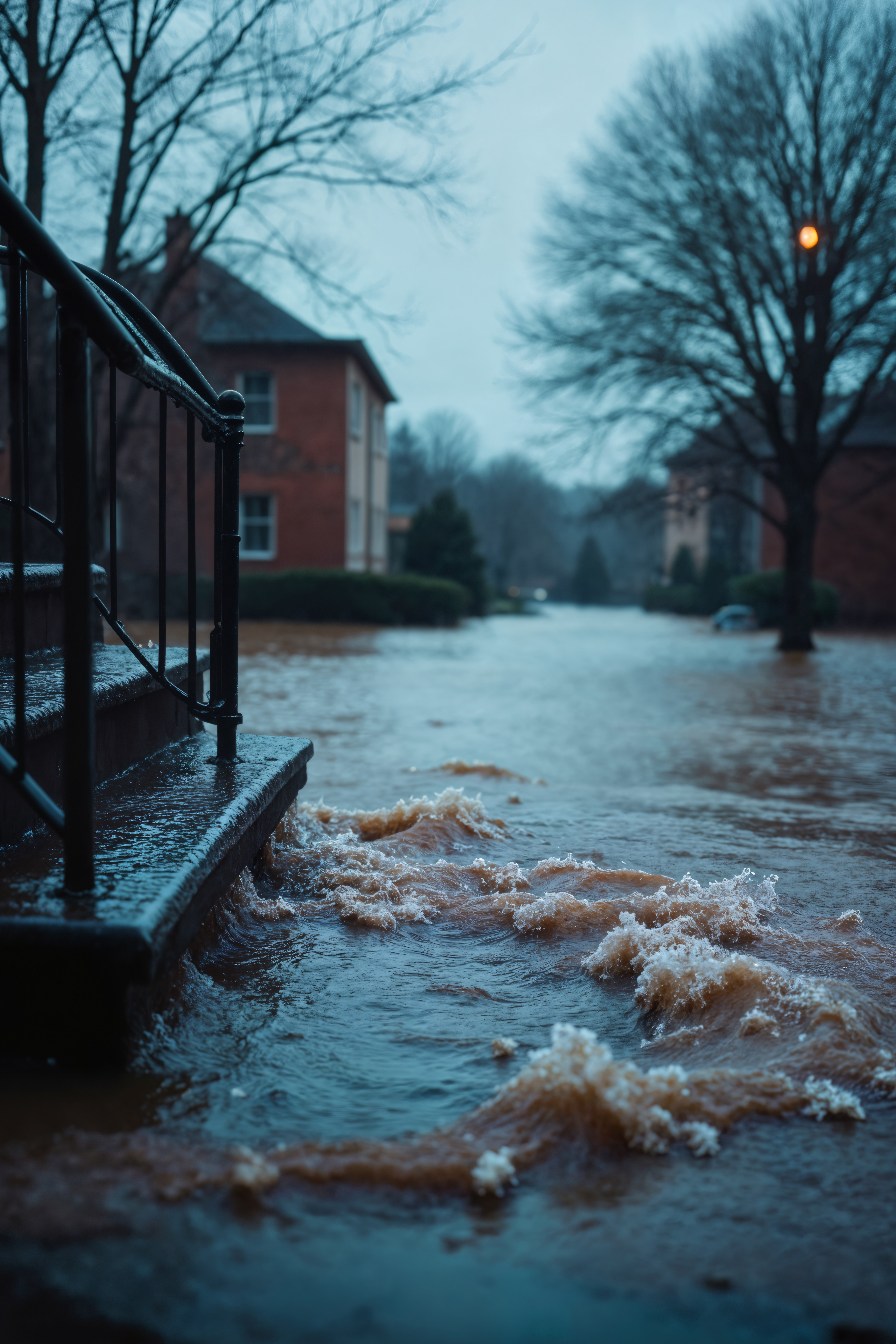
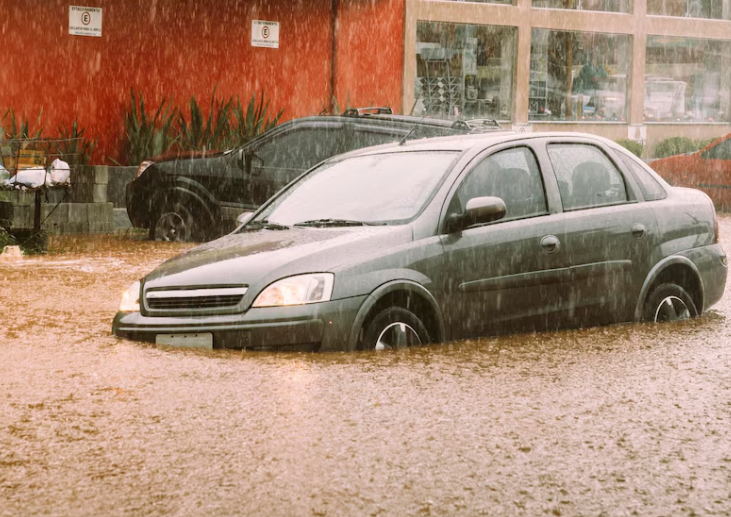
Preparing for a flood starts with knowing your level of risk. In Texas, flooding can happen in both coastal and inland areas due to heavy rain, hurricanes, and overflowing waterways. Check flood zone maps through the Federal Emergency Management Agency (FEMA) to determine whether your home is in a high-risk area. Even if you are outside a designated flood zone, it is still important to prepare, as many floods occur in moderate- to low-risk regions.
Review and Purchase Flood Insurance
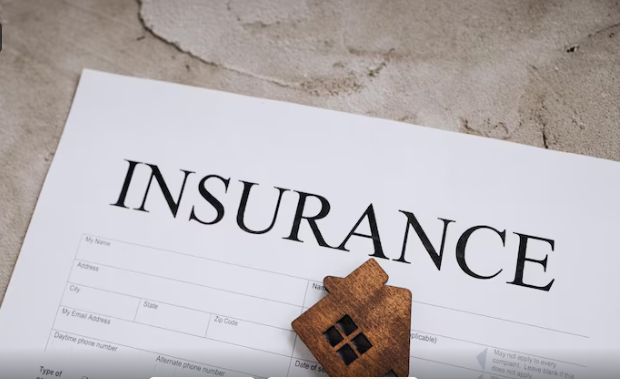
Standard homeowners' insurance policies typically do not cover flood damage. To protect your property, consider purchasing flood insurance through the National Flood Insurance Program (NFIP) or a private insurer. Keep in mind that most policies have a waiting period before coverage begins, so it is important to secure coverage well before a storm is forecasted.
Protect Your Home and Property
Taking preventive measures can significantly reduce potential damage. Consider:
- Elevating electrical systems, appliances, and valuable items
- Installing flood vents or sump pumps
- Sealing foundation cracks
- Using sandbags or flood barriers around doors and entry points
Proper drainage around your home can also help direct water away from your property.
Create an Emergency Plan
Develop a plan for your household in case evacuation becomes necessary. Identify safe routes, nearby shelters, and a meeting place for family members. Make sure everyone knows how to contact each other and where to go if separated. If you have pets, include them in your evacuation plan and prepare supplies for their care.
Prepare an Emergency Supply Kit
Having essential supplies ready can make a major difference during a flood. Your kit should include:
- Bottled water and non-perishable food
- Flashlights and extra batteries
- First-aid supplies
- Prescription medications
- Important documents in waterproof containers
- Portable phone chargers
Keep your kit in an easily accessible location.
Document Your Property
Before a flood occurs, take photos or videos of your home and belongings. This documentation can be valuable when filing an insurance claim after a loss.
Stay Informed
Monitor weather updates and emergency alerts through local news, weather apps, and official notifications. Early warnings can give you critical time to act.
Conclusion
Preparing before a flood involves understanding your risk, securing proper insurance, protecting your property, and having a clear emergency plan. Taking these steps in advance can help reduce damage and keep your family safe when flooding occurs.