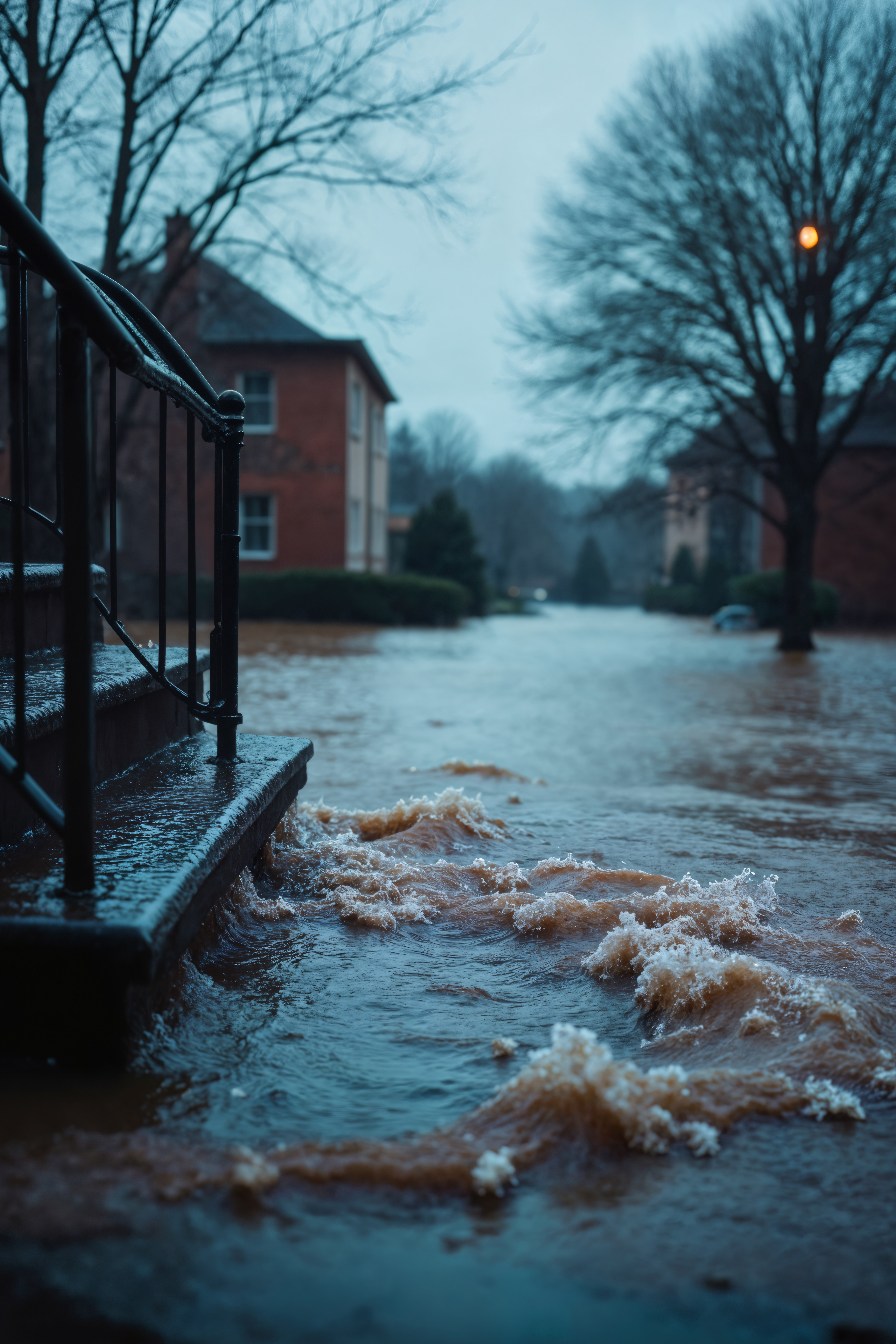
How Do I Start My Flood Claim?
With multiple Texas counties currently under active disaster declarations and Tropical Storm Edouard having just made landfall, knowing exactly how to start a flood claim could determine how quickly you recover. Here is a step-by-step guide for Texas homeowners.
Step 1: Make Sure It Is Safe — Then Document Everything
Before anything else, do not re-enter your home until authorities have declared it safe. The moment you can safely access your property, documentation becomes your most powerful tool. As soon as it is safe to re-enter your home, start documenting the damage before you move or throw anything away — taking photos and video of every affected room, including water lines on the walls, damaged furniture, flooring, appliances, and any structural issues you can see. Your photos and videos should document structural damage, standing floodwater levels both inside and outside, and damage to appliances, furniture, and other items. The more thorough your documentation, the stronger your claim will be.
Step 2: Contact Your Insurance Agent or Company Immediately
Speed is critical after a flood. If you have flood insurance and your home flooded, call your company to file a claim as soon as possible — and if you have a policy through the National Flood Insurance Program, call 877-336-2627. Your flood insurance policy requires you to give prompt written notice of your loss, and generally your adjuster will contact you within 24 to 48 hours after you report your claim. If you cannot find your insurer's phone number, the Texas Department of Insurance can help — call 800-252-3439.
Step 3: File Your Claim Within 60 Days — This Is Non-Negotiable
The most critical legal deadline in any NFIP flood claim is 60 days. A proof of loss statement — the amount you claim with backup documentation — must be filed with your insurer within 60 days of the flood. Missing this deadline can result in denial of an otherwise valid claim regardless of the extent of your damage. Every line of the proof of loss must be filled out — your adjuster should help you complete it accurately.
Step 4: Work With Your Adjuster — But Protect Yourself
Once you file, an adjuster is assigned to assess the damage. Be present during the inspection if at all possible — and keep samples of damaged items like flooring and curtains for the adjuster's inspection. Do not throw away flood-damaged contents until after the adjuster has documented them — with one important exception: throw away flood-damaged contents that pose a health risk, such as perishable food and pillows, but only after photographing them first.
Step 5: Understand the Payment Timeline
Patience is required after a flood claim — but there are limits. It can take four to eight weeks after the adjuster's assessment for you to receive compensation. After your insurance adjuster inspects your property, you will receive a package from the NFIP with the adjuster's report and a check. You can start repairs before receiving your claim payment, but always check with your agent or adjuster before signing any contractor agreement — and never make a final payment to a contractor until the job is completely finished.