What If My Insurance Company Says the Damage Was Pre-Existing?
After filing a property damage claim, some homeowners are surprised when their insurance company argues that the damage existed before the storm, freeze, fire, or other covered event. In Texas, insurers sometimes deny or reduce claims by labeling the damage as “pre-existing,” meaning the problem allegedly occurred before the policy period or before the reported incident. While insurers have the right to investigate claims, homeowners also have the right to challenge inaccurate conclusions.
What Is Considered Pre-Existing Damage?
Pre-existing damage refers to problems that existed before the current insurance loss occurred. Insurance policies are generally designed to cover sudden and accidental damage rather than long-term wear and tear or unresolved maintenance issues.
Examples of damage insurers may classify as pre-existing include:
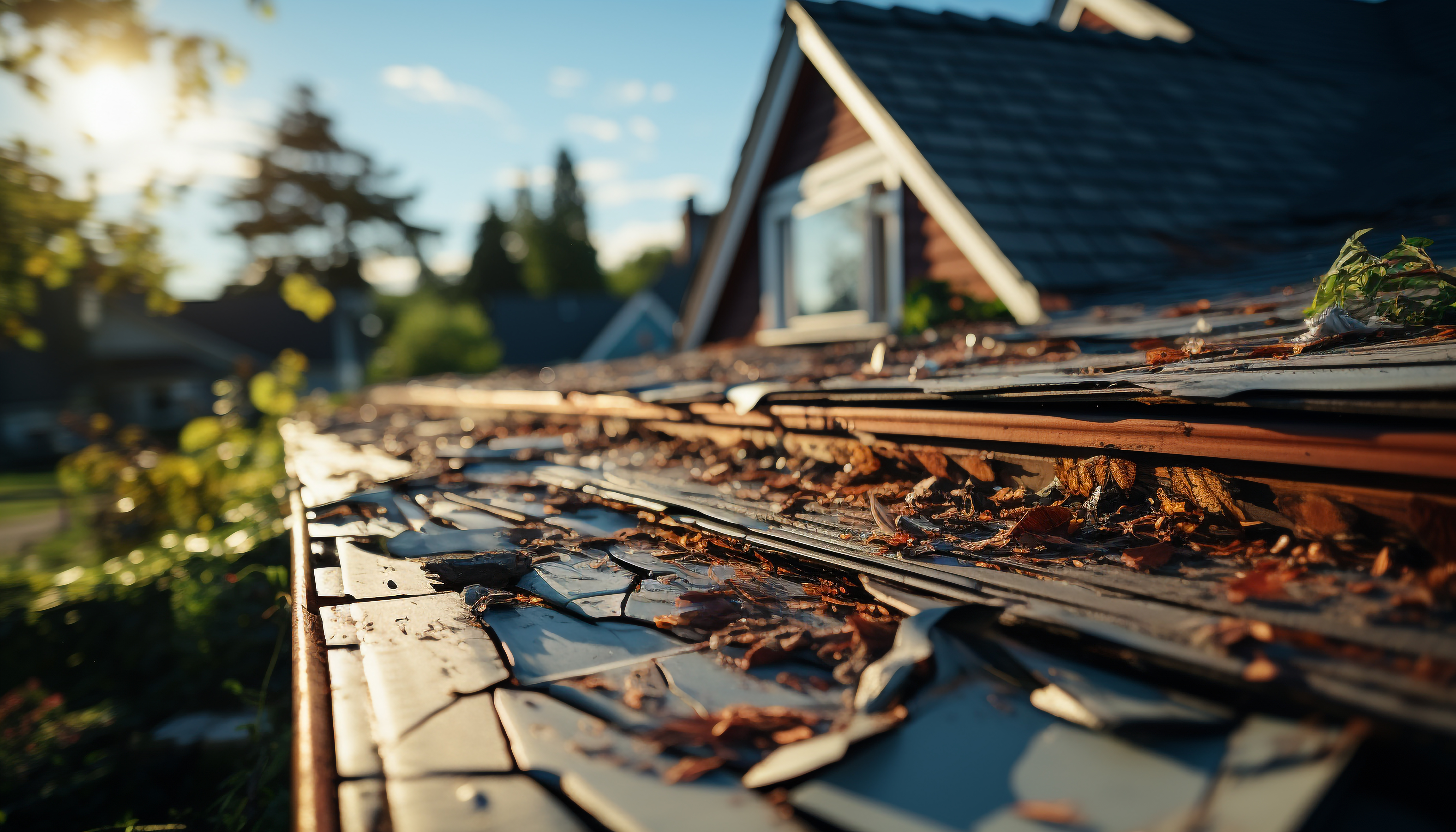
- Old roof deterioration
- Prior water damage
- Existing foundation cracks
- Long-term plumbing leaks
- Mold from earlier moisture problems
Insurance companies may argue that the storm or freeze did not directly cause the condition, even if the event made the problem worse.
Why Insurance Companies Raise This Issue
Insurance companies often investigate whether damage was caused by a covered event or by normal aging and maintenance issues. Adjusters may review:
- Inspection reports
- Prior claims history
- Weather records
- Maintenance records
- Photographs of the property
In some cases, insurers rely on engineering reports or contractor opinions to support their position. However, disputes can arise when homeowners believe the insurer overlooked storm-related damage or underestimated how the event worsened existing conditions.
Gather Evidence Supporting Your Claim
If your insurer says the damage was pre-existing, documentation becomes extremely important. Homeowners should collect evidence showing the property was in good condition before the loss occurred.
Helpful evidence may include:
- Photos or videos taken before the damage
- Home inspection reports
- Repair and maintenance records
- Receipts for recent upgrades
- Statements from contractors or neighbors
For example, if your roof passed an inspection shortly before a hailstorm, that report may help challenge the insurer’s conclusion.
Request an Independent Inspection
A second opinion from a licensed contractor, roofer, engineer, or public adjuster may help identify damage related to the covered event. Independent experts can sometimes find storm-related issues the insurance company failed to include in its estimate.
Ask for a detailed written report explaining:
- The cause of the damage
- Whether the storm worsened the condition
- Recommended repairs
- Estimated repair costs
This information may strengthen your position during negotiations.
Challenge the Denial if Necessary
Homeowners have the right to dispute a denied or underpaid claim. You can request a reinspection, submit additional evidence, or formally appeal the decision through the insurance company’s claims process.
If the dispute continues, some homeowners choose to consult an attorney experienced in Texas insurance disputes. Legal assistance may be helpful if the insurer acted unfairly or failed to properly investigate the claim.
Conclusion
Being told your property damage was “pre-existing” can be frustrating, especially after a severe storm or freeze. However, a denial is not always final. By gathering documentation, obtaining independent opinions, and understanding your policy rights, homeowners may be able to successfully challenge an unfair insurance decision and pursue the compensation they deserve.