Is Hurricane Coverage the Same As Wind and Hail?
Many Texas homeowners assume that having wind and hail coverage means they are fully protected from a hurricane. That assumption is one of the most expensive mistakes a coastal property owner can make. Here is exactly how these coverages differ.
Hurricane Coverage, Wind Coverage, and Hail Coverage Are Not Always the Same
Many homeowners assume hurricane coverage automatically includes every type of storm damage, but insurance policies often separate these coverages in ways that can create expensive surprises. Hurricane coverage is not necessarily the same as wind coverage or hail coverage, and understanding the differences is especially important in coastal areas and storm-prone regions.
A hurricane creates multiple risks simultaneously — including wind, rain, storm surge, and flooding — and different parts of your insurance may apply to each type of damage.
Wind Coverage Usually Protects Against Wind-Related Damage
Wind coverage generally protects against damage caused by strong winds, including:
- Damaged roofs
- Broken windows
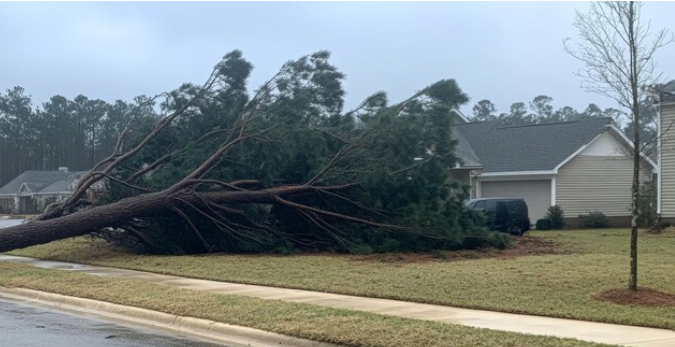
- Fallen trees
- Structural damage caused by wind forces
- Flying debris impacts
In many areas of Texas, wind damage may be covered under standard homeowners' insurance. However, some coastal counties require separate windstorm policies or additional endorsements depending on location and insurer requirements. Homeowners living near the coast should carefully verify whether wind protection exists within their current policy.
Hail Coverage Specifically Addresses Hail Damage
Hail coverage generally applies to physical damage caused by hailstorms, which can include:
- Roof damage
- Broken windows
- Damaged siding
- Vehicle damage
- Exterior property destruction
Texas experiences some of the country's most expensive hail losses each year, making hail deductibles increasingly important. Many insurers now use separate percentage-based wind and hail deductibles that can significantly increase out-of-pocket costs during claims.
Flood Damage During Hurricanes Usually Requires Separate Coverage
One of the biggest misconceptions about hurricanes is that homeowners' insurance covers flood damage caused by hurricanes.
Typically, flooding from:
- Storm surge
- Rising water
- Flash flooding
- Overflowing drainage systems
- Coastal flooding
often requires separate flood insurance.
This distinction becomes extremely important because hurricanes frequently create both wind damage and flooding simultaneously.
Hurricane Deductibles Can Work Differently
Some insurance policies include special hurricane deductibles that only apply when certain storm conditions are met.
These deductibles may:
- Apply only during named storms
- Use percentage-based calculations instead of flat deductibles
- Create larger out-of-pocket costs for homeowners
- Apply differently depending on where the property is located
Understanding deductible language before hurricane season arrives can prevent unpleasant surprises after a storm.
Read the Policy Before Storm Season Arrives
The safest approach is never assuming that hurricane coverage automatically means complete storm protection.
Reviewing policies before severe weather arrives helps homeowners understand:
- What wind damage is covered
- Whether hail protection exists
- If flood insurance is needed
- How deductibles function during hurricanes
Knowing these differences before storms develop gives homeowners more time to fill coverage gaps and reduce financial risk when severe weather strikes.