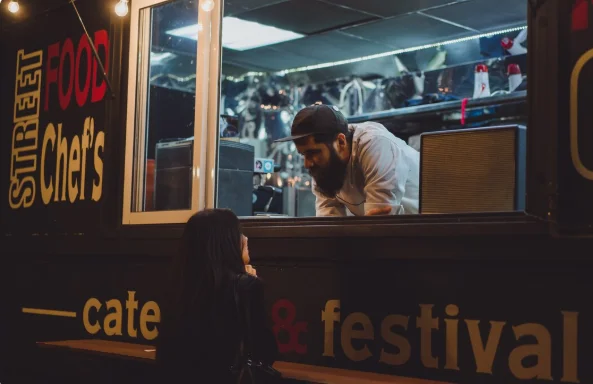
Are Food Trucks Covered During Fourth of July Festivals?
Thousands of Texas food trucks will be operating at Fourth of July festivals this weekend — and many of them are carrying dangerous coverage gaps they do not know about. Here is what every food truck operator needs to understand before firing up the grill.
Your Standard Policy May Not Automatically Cover Festival Events
This is the most critical and most overlooked issue for food truck operators. A standard general liability policy may cover operations at festivals — but some policies restrict coverage to specific scheduled locations or require a special event endorsement if the event is not a regular operating location. If you have not notified your insurer about a Fourth of July festival appearance and it is not listed as a scheduled location on your policy, you could be operating without effective coverage — meaning a single customer injury or property damage incident could result in an out-of-pocket claim running into tens of thousands of dollars.
What Festival Organizers Require From You
Most Texas festival organizers enforce strict insurance minimums before allowing any food vendor on the grounds. Vendor event requirements significantly affect the food truck insurance coverage you must carry — most events and festivals legally require food truck operators to present a certificate of insurance before participating, often mandating specific liability limits and named additional insured endorsements. Most cities require proof of $1 million in general liability coverage to issue a mobile food vendor permit, and festival organizers ask for the same, wanting to be listed as an additional insured on your policy. Large festivals, stadiums, corporate campuses, and city-sponsored events frequently require $2 million to $5 million aggregate limits, meaning a standard policy may not be sufficient for major municipal Fourth of July events.
The Coverages Every Food Truck Needs at a Festival
Food truck insurance typically includes general liability, commercial auto, and workers' compensation — and these core coverages provide essential financial protection for mobile food businesses operating at public events. Beyond the basics, Fourth of July festivals create specific additional exposures. Equipment breakdown and food spoilage coverage is critical — if your generator dies at a weekend festival and you lose two days of revenue, business interruption coverage can cover those lost sales plus ongoing expenses like your truck payment and commissary fees. Inland marine coverage addresses theft — especially important at overnight festival setups, where theft accounts for 13% of food truck claims and generators, POS systems, and cash drawers are prime targets.
Fireworks Damage Is a Real and Specific Risk
Fourth of July festivals create a unique fireworks liability exposure that most food truck operators have never considered. If stray fireworks ignite a fire near your truck, damage your equipment, or injure a customer at your service window, the resulting claim can be significant. Under Texas law, if the fireworks were illegal — and they are banned inside most major Texas cities — your insurer may complicate or deny the claim. Document your setup location, confirm whether fireworks are permitted at your specific festival site, and ensure your policy covers fire and explosion damage to your truck and equipment.
What Food Truck Operators Should Do Before This Weekend
Insurance claims among food and beverage operators rose 32.7% year over year in 2025, with caterers, food trucks, and farmers market vendors experiencing the highest claim activity of any food business category. Before operating at any Fourth of July festival, confirm your COI is current and lists the event organizer as an additional insured, verify your policy covers the specific festival location, check that your general liability limits meet the event's minimum requirements, and contact your broker today to add any required endorsements. With festivals beginning this weekend, there is no time to wait.