Why Insurers Urge Homeowners Not to Share Vacation Photos in Real Time
That beach selfie posted from Cancún might earn you a hundred likes and cost you your entire insurance claim. Here is why insurers are raising serious alarms about real-time vacation posts on social media.
It Broadcasts That Your Home Is Empty
Publicly broadcasting your location signals that your primary residence is vacant, significantly increasing the risk of a home burglary — and it also makes you vulnerable to physical stalking and online scams. Nearly a third of people with a social media account post their holiday photos while they are away — and a further 23% say they post pictures but wait until they are back home to do so. That first group is the one insurers are most concerned about.
The "Reasonable Care" Clause Is the Legal Trigger
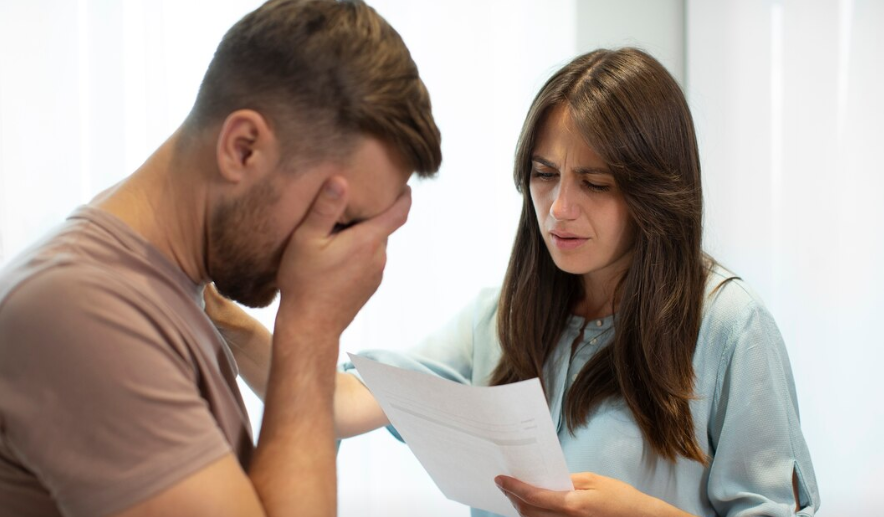
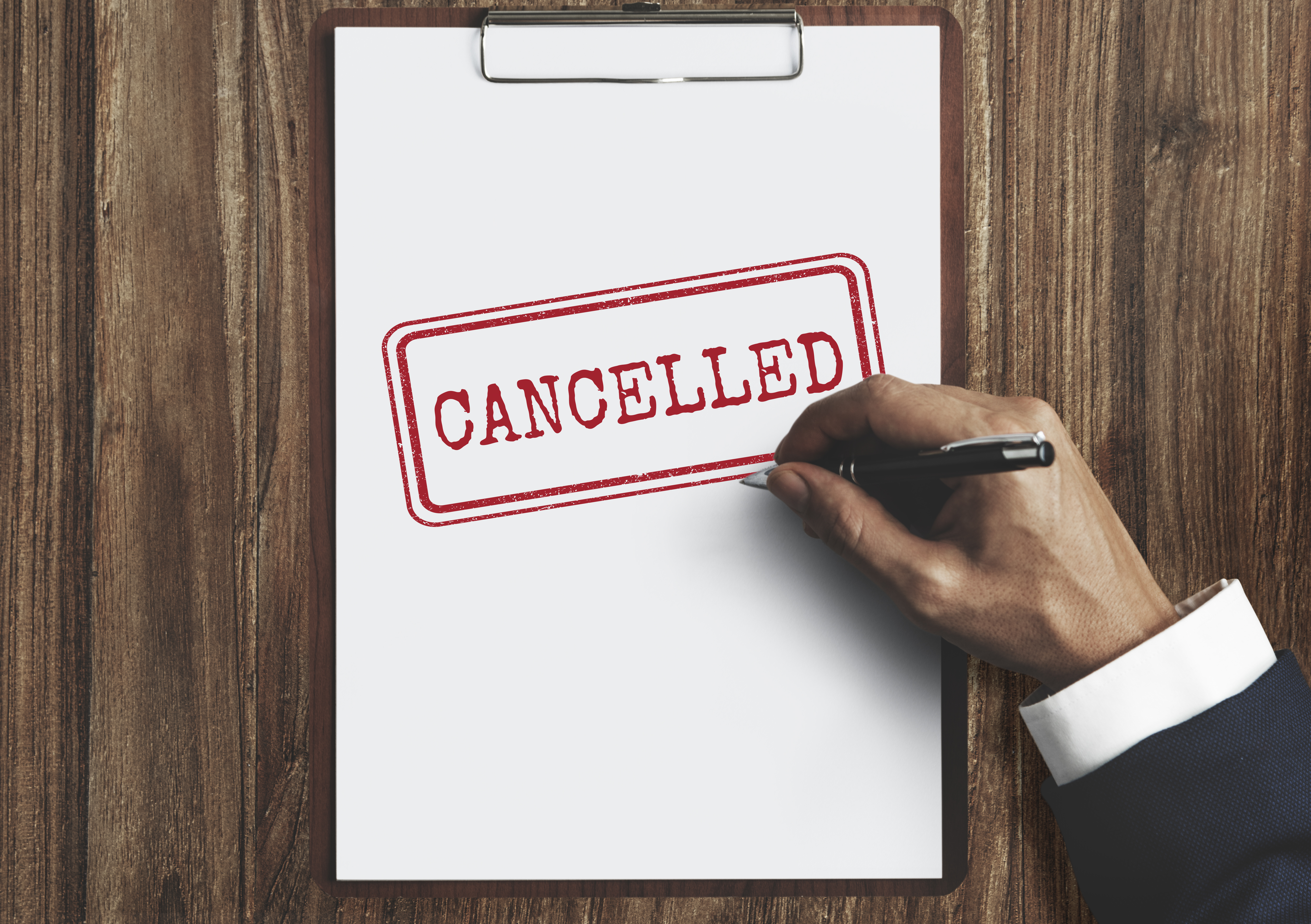
Home insurance providers are increasingly rejecting claims from homeowners whose houses were broken into while they were on vacation, simply because they made this vulnerability available on social media. The legal mechanism behind this is the Reasonable Care clause — insurers are considering whether to view the posting of real-time vacation photos as a violation of the "reasonable care" clause on homeowners and valuable articles policies. If no precautions were taken to limit who can see your posts, and your name and address were also accessible, then you could be in breach of the general conditions clause.
Even Private Posts Are Not Safe
Many homeowners assume that locking their social media profile is sufficient protection. Even private posts are not foolproof — screenshots and shared content can expose your home to potential risks, even if your home has the best security systems. A shocking real-world example drives this point home — one homeowner posted a photo of their house keys on social media, and a criminal was able to use the image to create a copy of the key, break into the property while the family was on holiday, and steal thousands in valuables.
Insurers Are Watching Your Feed Too
The risk is not just from burglars. If you make a number of expensive claims, insurers may check your social media activity and whether you're doing everything possible to secure your home — they may not deny the claim, but they may raise your rates. Furthermore, insurance investigators can use public social media platforms to analyze timelines and check the accuracy of the information you provide — and if you exaggerate your claim, post contradictory information, or admit fault on social media, this could hurt your credibility and reduce or deny your claim.
What You Should Do Instead
Experts and security professionals recommend delaying posts — waiting to publish your photos, videos, and check-ins until you have left the location or safely returned home. Consider canceling any regular deliveries, securing your valuables, locking everything up before you go, and asking a neighbor or someone you trust to switch lights on and off, open and shut curtains, and pick up your post. The memories will still be worth sharing — just wait until you are safely back home to post them.