What Is All Risk Insurance?
All risk insurance—also known as open perils coverage—is a type of policy that provides broad protection for property by covering all causes of loss unless they are specifically excluded. Unlike named-perils policies, which only cover risks listed in the policy, all risk insurance assumes coverage applies unless the insurer can point to a stated exclusion. This structure offers stronger and more flexible protection for homeowners and businesses.
What Does All Risk Insurance Cover?
All risk insurance generally covers sudden, accidental, and direct physical loss to insured property. Coverage typically applies to both residential and commercial policies, although the scope varies by policy type.
Common covered losses include:
- Fire and smoke damage
- Theft, burglary, and vandalism
- Windstorms and hail
- Water damage from burst pipes or accidental overflows
- Damage from falling objects
- Vehicle or aircraft impact
- Accidental breakage, such as shattered windows or damaged fixtures
For homeowners, all risk coverage often applies to the dwelling itself, while personal property may still be covered under named perils unless upgraded. In commercial policies, all risk insurance commonly covers buildings, equipment, inventory, and business contents.
What Does All Risk Insurance Exclude?
Despite its name, all risk insurance does not cover every type of loss. Exclusions are clearly outlined in the policy and are critical to understand before purchasing coverage.
Common exclusions include:
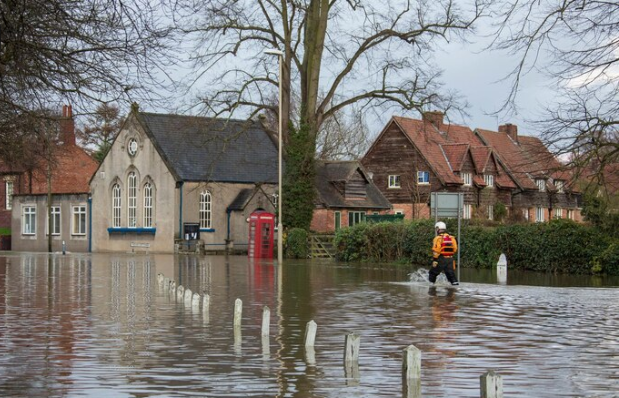
- Flooding, including storm surge and groundwater
- Earthquakes, sinkholes, and earth movement
- Normal wear and tear or gradual deterioration
- Mold, mildew, rot, and pest infestations
- Intentional damage or neglect
- War, nuclear hazards, and government actions
- Mechanical or electrical breakdown, unless endorsed
In states like Texas, flood damage is one of the most significant exclusions. Separate flood insurance through the National Flood Insurance Program (NFIP) or private insurers is typically required.
Burden of Proof in All Risk Claims
A key advantage of all risk insurance is how claims are handled. If a loss occurs, the insurance company must prove that the damage is excluded in order to deny the claim. This differs from named-perils policies, where the policyholder must prove the loss was caused by a covered event. This burden of proof often results in fewer claim disputes.
Is All Risk Insurance Right for You?
All risk insurance is ideal for those seeking broader protection and fewer coverage gaps. While premiums may be higher, the added security can be worth the cost—especially in areas prone to unpredictable risks. Reviewing exclusions, deductibles, and optional endorsements ensures the coverage fits your specific needs.