Is Texas Experiencing An Insurance Crisis?
Not a Full Crisis, But Serious Challenges
Texas is experiencing a severe insurance affordability crisis, but unlike California and Florida, it has avoided a complete market collapse. Texas continues to face a worsening insurance affordability crisis amid more prevalent extreme weather events and increasing premium costs, yet the state's insurer-friendly regulatory environment has prevented mass insurer exits.
Dramatic Premium Increases
Average statewide homeowners' rate changes show a dramatic escalation: 2022 saw a 10.8% increase, 2023 jumped 21.1%, 2024 rose 18.7%, with 2025 moderating to 4.3%. In June 2022, a home insurance policy in Texas cost an average of $3,635 per year, and by June 2025, the same policy cost an average of $4,049 annually.
In 2025, Texas saw some of the steepest rate hikes, driven by the state's unique combination of climate risk and regulatory constraints, making it one of the most expensive states for homeowners' insurance.
Growing Reliance on Last-Resort Coverage
The Texas FAIR Plan has seen explosive growth, indicating market stress. The number of FAIR Plan applicants has grown from 66,512 in 2021 to 121,658 in Q1 of 2025. The Excess & Surplus (E&S) market has become critical, with E&S products accounting for roughly 16% of policies in Texas by December 2025, up from under 2% in 2023.
Why Texas Remains More Stable
Texas benefits from a "file-and-use" regulatory system that allows insurers to implement rate increases quickly without lengthy approval processes. This flexibility has kept insurers in the market despite mounting losses. Lawmakers acknowledge many of the drivers of insurance costs are beyond their control, stating, "We can't control the weather, we can't control inflation," while trying to rein in costs without scaring off insurers and cratering the state's insurance market.
Climate and Financial Pressures Continue
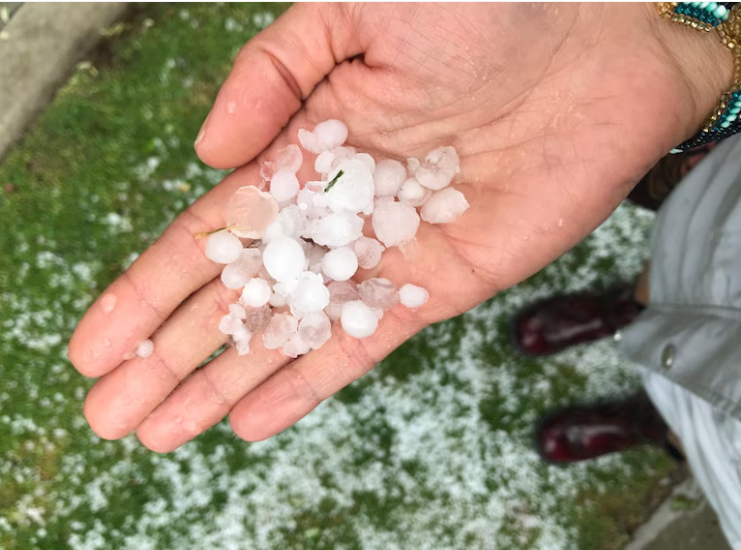
Texas has the largest number of homes at moderate or higher risk for hail and tornado damage, trails Florida for the number of homes vulnerable to hurricane-force winds, and ranked sixth for homes at risk from storm surges. The Texas Windstorm Insurance Association began 2025 with a $413.5 million deficit, contrasting sharply with its $46 million surplus in 2024.
While Texas hasn't experienced the catastrophic insurer departures seen in California and Florida, it faces significant affordability challenges, market strain, and uncertainty heading into 2026.