How to Prevent Your Pipes from Freezing and Bursting
One of the most prevalent and expensive winter weather issues is frozen and burst pipes, particularly in Texas, where homes might not be constructed to withstand extended cold. You can avoid major water damage and costly repairs by taking preventative measures before the temperature drops.
Insulate Exposed Pipes
Particularly susceptible to freezing are pipes found in crawl areas, garages, attics, and external walls. To shield exposed plumbing, use pipe sleeves, heat tape, or foam pipe insulation. During really cold weather, even temporary insulation—such as wrapping towels or rags around pipes—can offer further protection.
Maintain Consistent Indoor Heat
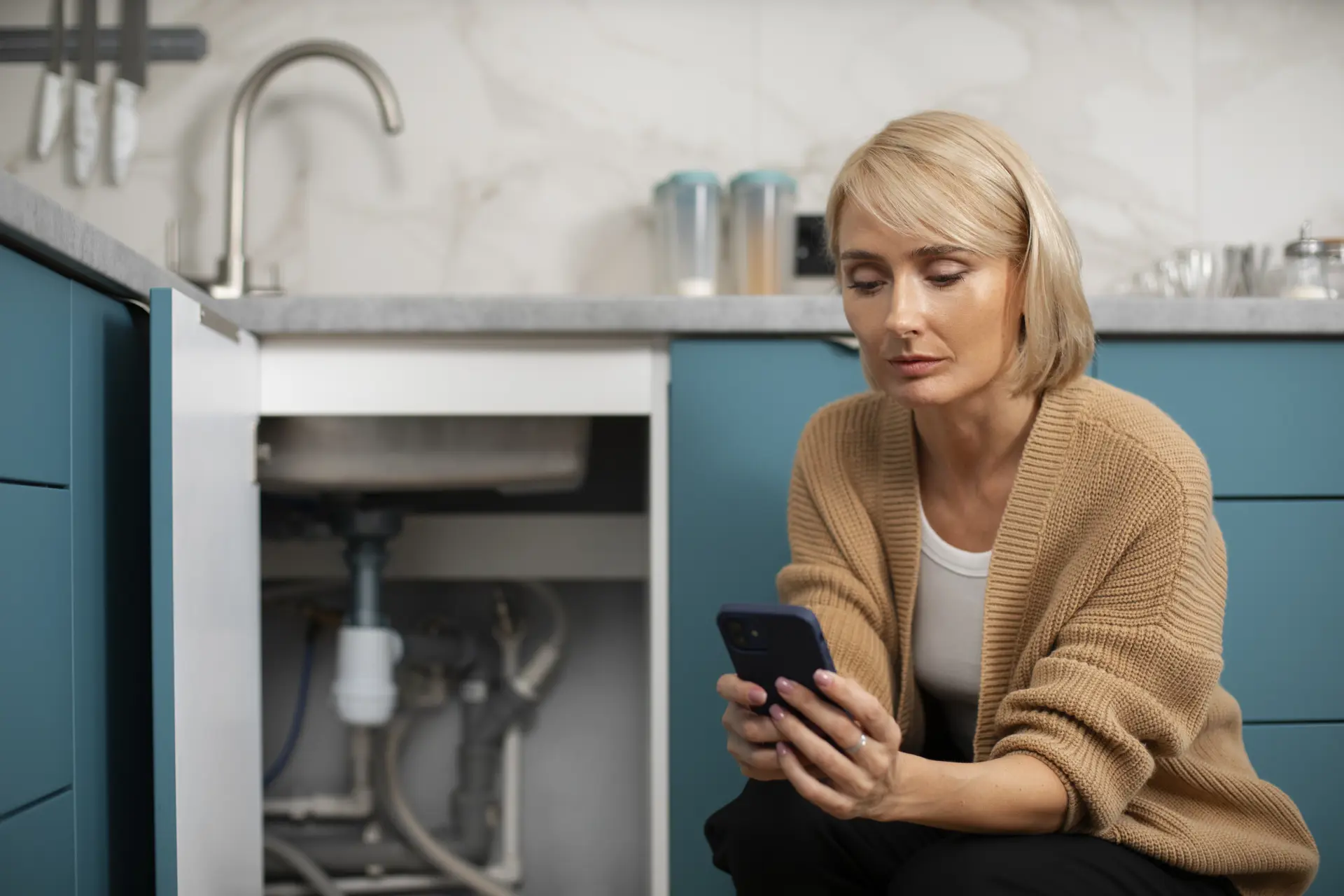
Even if you are going to be away from home, make sure your thermostat is set to a constant temperature throughout the day. Pipes may freeze rapidly if the heat is turned off to conserve electricity during cold weather. To let warm air travel around pipes near exterior walls, open the cabinet doors beneath sinks.
Let Faucets Drip
Allowing faucets to drip slightly can help prevent freezing by keeping water moving through the pipes. This is particularly important for faucets connected to plumbing along exterior walls. While dripping increases water use slightly, it can significantly reduce the risk of pipe bursts.
Disconnect Outdoor Hoses and Shut Off Exterior Lines
Remove and drain outdoor hoses before freezing temperatures arrive. Shut off water supply lines to exterior faucets if possible and drain any remaining water. Cover outdoor spigots with insulated faucet covers to protect them from freezing air.
Seal Air Leaks and Drafts
Cold air entering your home can quickly freeze nearby pipes. Seal cracks and gaps around doors, windows, and foundation openings with caulk or weather stripping. Pay special attention to areas where plumbing enters the home.
Prepare for Power Outages
Power outages during winter storms can increase the risk of frozen pipes. If you lose power, keep faucets dripping and open cabinets to help prevent freezing. If temperatures drop significantly and the home cannot be kept warm, consider shutting off the main water supply and draining the plumbing system.
Use Smart Monitoring Tools
Installing freeze sensors or smart leak detectors can alert you to freezing conditions or water leaks early. These devices can provide peace of mind and help prevent extensive damage if a pipe begins to freeze or burst.
Conclusion
You need to be prepared and pay attention to parts of your home that are susceptible to frozen and broken pipes. You can safeguard your plumbing and lower the chance of expensive winter damage by insulating pipes, keeping heat, closing drafts, and preparing for blackouts.