What Happens If My House Burns Down in a Wildfire?
Losing a home to a wildfire is one of the most traumatic events a Texas homeowner can face — and what happens next with your insurance determines how fully you recover. Here is a complete breakdown of the process.
Your Homeowners Policy Covers Wildfire — Wherever It Starts
The first and most important fact is that standard Texas homeowners insurance covers wildfire damage regardless of where the fire originates. Homeowners insurance usually covers damage from these incidents, regardless of whether the fire started inside your home, at a neighbor's home or land, by a wildfire, or somewhere else. Up to the policy limitations, homeowners insurance will cover the cost of replacing or repairing your home or property in the event of a fire or storm. It also usually covers damage from smoke or explosions.
The Total Loss Process: What Happens Step by Step
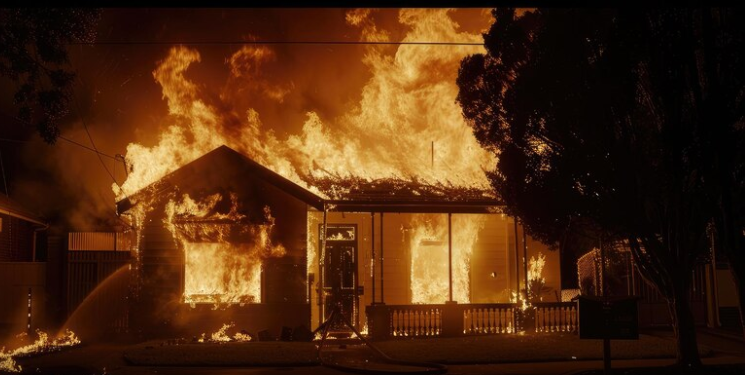
When a wildfire destroys your home entirely, a specific claims process begins. Your insurer dispatches an assessment team to inspect the damage — and because fire can damage a home in several different ways, there is no one-size-fits-all claim. The scope of the damage determines the amount of your claim. Your insurer calculates the rebuild cost against your dwelling coverage limit and issues payment — but critically, if your home is uninhabitable, your policy's Loss of Use section typically pays for temporary housing, such as hotel stays and rental costs — though these benefits are capped both in time and amount, with some policies only covering loss of use for 12 to 24 months or up to a specific dollar limit.
Underinsurance Is the Most Dangerous Wildfire Risk
The single biggest financial threat after a wildfire total loss is discovering your coverage is insufficient. If your home burns to the ground and you discover your $300,000 in dwelling coverage won't cover the $425,000 cost to rebuild, you're stuck — the insurance company pays their limit, and you're responsible for the rest. Coinsurance penalties kick in when you're underinsured by a certain percentage, reducing your claim payment on top of the shortfall. With Texas construction costs having risen dramatically since 2020, a policy written several years ago almost certainly undervalues what it would cost to rebuild today.
High-Risk Zones Face Additional Coverage Complications
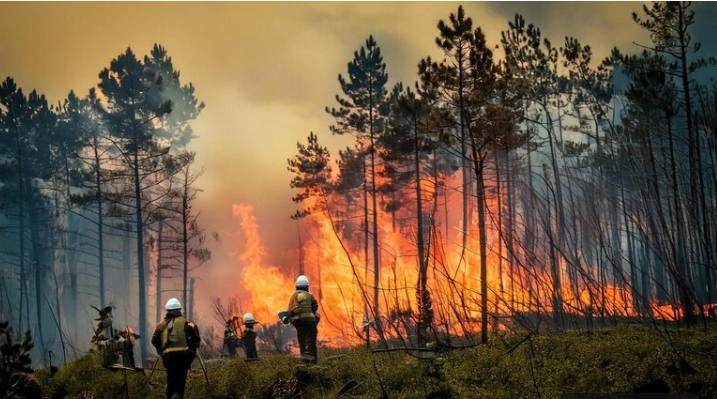
Texas homeowners in wildfire-prone areas face a secondary challenge beyond the fire itself. Wildfire risk has increased in rural and exurban Texas areas — and if you live in or near the Hill Country, East Texas forests, or other areas with significant wildfire exposure, your insurance company might require brush clearance around your home or might limit coverage. Some insurers have pulled back from high wildfire-risk areas entirely. If you are denied coverage in the standard market after a wildfire, the Texas FAIR Plan remains available as a guaranteed last resort — contact them at 800-979-6440.
What to Do Immediately After a Wildfire
Do not re-enter your home until declared safe by the fire department. Document all damage with photos and video before anything is disturbed. Contact your insurer immediately to begin the claims process. Do not sign any insurance papers until and unless you fully understand what you're signing — and if your claim is denied or underpaid, contact the Texas Department of Insurance at 800-252-3439 and consult a licensed fire insurance attorney before your filing deadline expires.