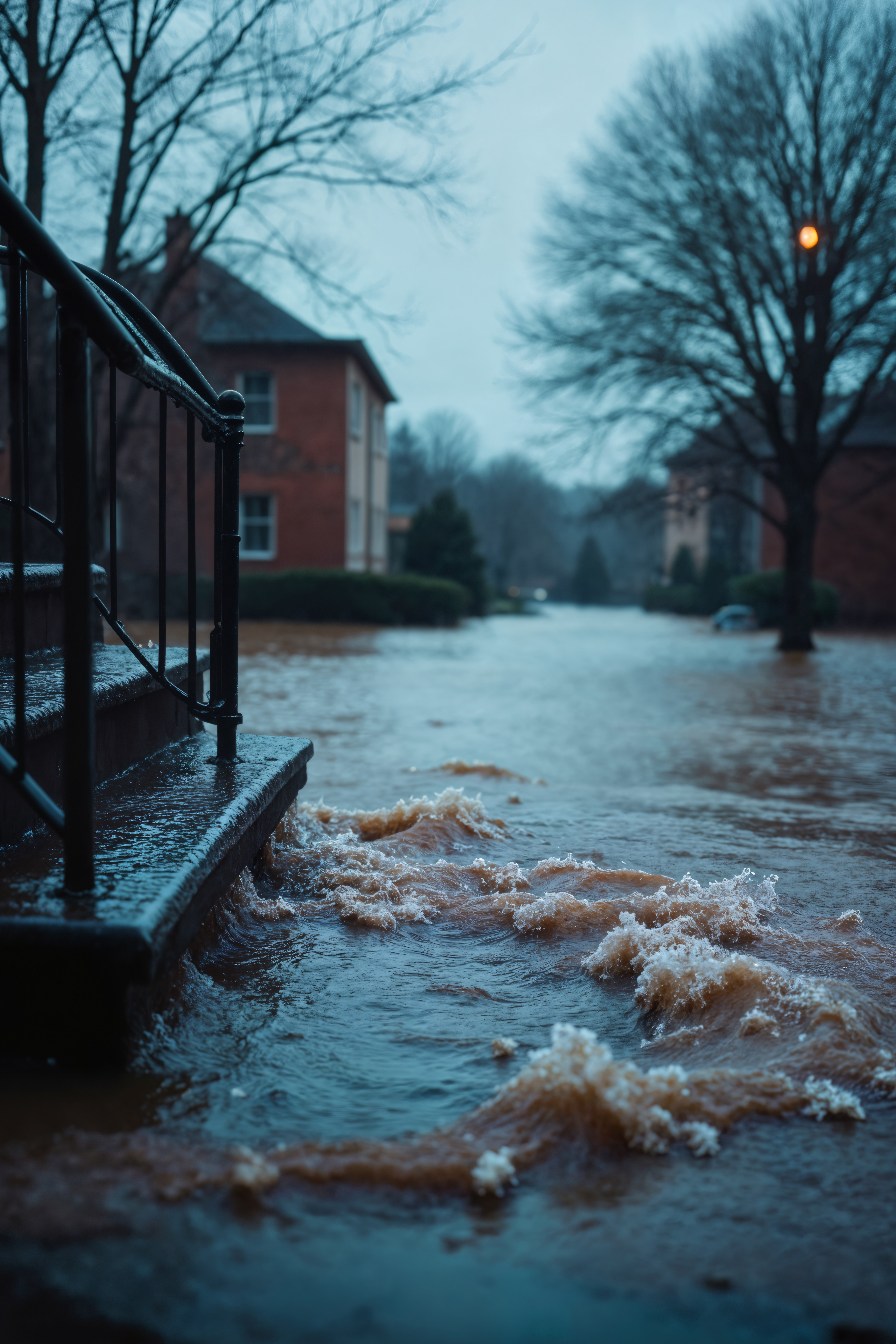
Are All Flood Insurance Policies the Same?
Absolutely not — and understanding the critical differences between flood insurance options could mean the difference between a full recovery and a devastating financial shortfall after a Texas flood. Here is a complete breakdown.
Two Fundamentally Different Systems
The flood insurance market in Texas operates through two entirely separate structures. NFIP flood insurance is backed by the federal government and follows standardized federal rules and coverage limits, while private flood insurance is backed by private companies and may offer higher limits, broader options, and more flexibility depending on the carrier. The NFIP has strict coverage limits, while private insurers offer higher limits and customizable coverage that may better meet your needs and budget. Choosing between them is one of the most consequential insurance decisions a Texas homeowner can make.
Coverage Limits Are Vastly Different
The most significant structural difference between NFIP and private flood insurance is how much they will pay. The NFIP caps building coverage at $250,000 and contents at $100,000 for residential properties — limits that have not been meaningfully updated in decades and now fall short for a large share of Texas homes. While both the NFIP and private insurers offer building and contents coverage, private policies generally provide more comprehensive protection overall, as they allow much higher limits and additional coverage types if needed. For Texas homeowners whose rebuild costs exceed $250,000, private flood insurance is not optional — it is essential.
Pricing Is Not Standardized Across Policies
A widespread misconception is that all flood insurance costs roughly the same. In a real-world comparison of 73 Houston-area properties where both NFIP and private flood insurance quotes were available for the same address, private flood insurance was cheaper 84% of the time — however, NFIP was cheaper in 16% of cases, typically for higher-risk properties near bayous, homes with prior flood claims, or properties significantly below Base Flood Elevation. Across the U.S., private flood insurance often saves homeowners 50% to 60% over NFIP — but in Houston, that is not always the case, as homes with a history of flooding often see higher private insurance rates, sometimes more expensive than NFIP.
Stability and Reliability Differ Significantly
The two options carry fundamentally different risks to policy continuity. Since 2017, the NFIP has had to be reauthorized more than 30 times, and in fall 2025, its authorization lapsed for 43 days during the government shutdown — though the effects have historically been minimal, consumers should be aware of this lack of stability. On the other hand, policyholders with private flood insurance carriers should be prepared to face a different kind of uncertainty, as private companies may exit the market, change terms, or increase premiums in response to market conditions. During the 2025 NFIP shutdown, private flood insurers kept doing business — continuing to quote, bind, and pay claims while the federal program was frozen.
What Texas Homeowners Should Do
Shopping both markets simultaneously through an independent agent is the only way to know which option offers the best value for your specific property. Contact the Texas Department of Insurance at 800-252-3439 for guidance on finding licensed flood insurance agents in your area.