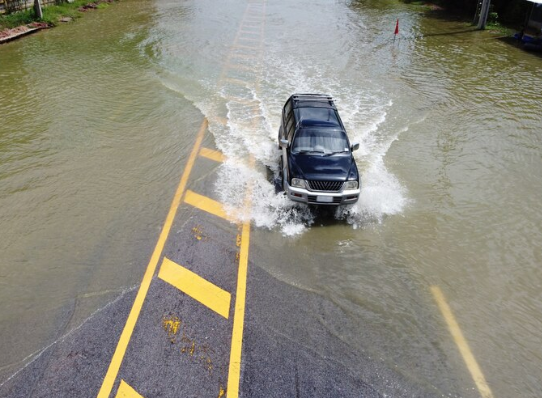
Rain Damage Claim for Corporate Auto Insurance
Understanding Rain Damage Coverage
Yes, you can typically file a rain damage claim under a corporate auto insurance policy—but only if the business carries comprehensive coverage. Unlike liability insurance, which covers damage to others, comprehensive coverage protects company vehicles from non-collision events such as heavy rain, flooding, hail, and falling debris. If a company vehicle is damaged due to severe weather, this portion of the policy is what applies.
What Types of Rain Damage Are Covered?
Corporate auto insurance may cover a range of rain-related damages, including:
- Flooding that damages the engine or electrical systems
- Water intrusion into the vehicle interior
- Hydroplaning accidents (in some cases, depending on fault)
- Damage from storm-related debris
However, coverage depends on the specifics of the policy. For example, if a driver knowingly operates a vehicle in hazardous flood conditions, the insurer may dispute or deny the claim based on negligence.
When Liability May Still Matter
While rain itself is considered a natural event, liability can still come into play. If a company driver causes an accident while driving in rainy conditions—such as by speeding or failing to adjust to reduced visibility—the claim may shift from comprehensive to liability coverage. In that case, the business’s liability policy would cover damage to other vehicles, while repairs to the company vehicle would depend on whether collision coverage is included.
Filing a Claim for Rain Damage
To file a rain damage claim under a corporate auto policy, businesses should act quickly and follow proper procedure:
- Document the damage with photos and videos
- Report the incident to the insurance carrier as soon as possible
- Provide details about the weather event and location
- Submit maintenance and inspection records if requested
Prompt reporting is critical, as delays can raise questions about the cause and extent of the damage.
Common Reasons Claims Are Denied
Insurance companies may deny rain damage claims for several reasons, including:
- Lack of comprehensive coverage in the policy
- Driver negligence (e.g., intentionally driving through flooded roads)
- Pre-existing damage or poor vehicle maintenance
- Failure to report the claim in a timely fashion
Understanding these potential issues can help businesses better prepare and protect their claims.
Why Coverage Matters for Businesses
Corporate vehicles are critical assets, and weather-related damage can disrupt operations and lead to financial losses. Having the right combination of comprehensive, collision, and liability coverage ensures that businesses are protected from a wide range of risks—including unpredictable weather events.
Conclusion
Filing a rain damage claim under corporate auto insurance is possible, but it largely depends on having comprehensive coverage and demonstrating that the damage was unavoidable. Businesses should review their policies regularly to ensure they are adequately protected against weather-related risks.