Common Rain Damage Insurance Claims
Heavy rainfall can cause significant property damage, especially in states like Texas, where storms can develop quickly and intensely. Homeowners, renters, and business owners often find themselves filing insurance claims after rain leads to water intrusion, structural damage, and other unexpected losses. Below are the most common rain-related insurance claims and how policies typically respond.
Roof Leaks and Water Intrusion
One of the most frequent rain-related claims involves leaking roofs. When shingles loosen, flashing fails, or hail has previously weakened the surface, rainwater can penetrate the structure. Water intrusion can damage ceilings, insulation, drywall, and electrical systems.
Insurance generally covers sudden and accidental leaks, but not deterioration from wear and tear. Regular roof maintenance is crucial to avoid claim denials.
Wind-Driven Rain Damage
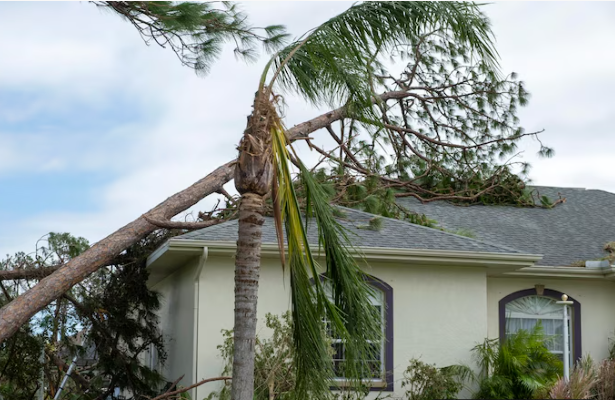
During severe storms, wind can tear off shingles, break windows, or create openings that let rain pour inside because the damage begins with a covered peril—wind—the resulting water intrusion is typically covered.
These claims often involve soaked flooring, damaged furniture, and structural repairs.
Flooding and Groundwater Intrusion
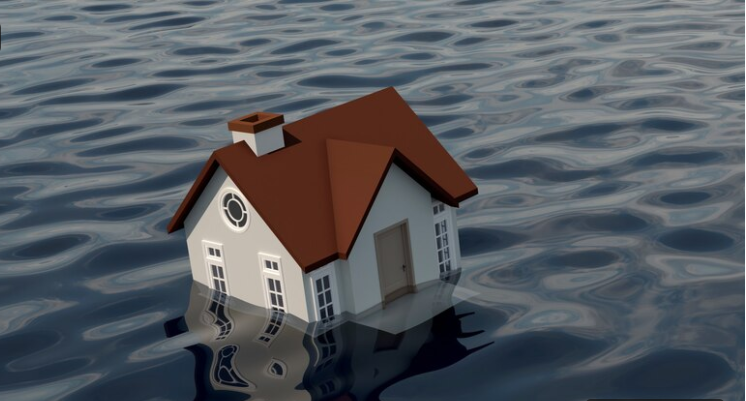
Rain that enters a home because it rises from the ground or flows through doors and cracks is considered flood damage, not standard water damage.
Homeowners' insurance does not cover flooding.
Flood insurance—through NFIP or a private flood insurer—is required for protection against rising water. Claims often involve significant damage to flooring, walls, baseboards, and belongings.
Mold and Mildew After Rain Exposure
After water enters a home, mold can develop quickly. If the mold results from a covered rain-related event and the homeowner takes timely action, insurance may help with remediation. However, mold that forms due to neglected leaks or slow seepage is typically excluded.
Sewer or Drain Backup
Heavy rain can overwhelm city sewers or home drainage systems, causing water to back up into bathrooms, basements, or kitchens.
This type of damage is only covered if you have optional water backup coverage, which many homeowners add to their policies.
Ceiling Collapse From Saturation
Prolonged rainfall can oversaturate roofing materials or attic insulation, leading to sagging or collapsed ceilings. These claims often involve extensive tear-out and repair work. Insurance covers sudden collapses caused by rain, but not issues worsened by long-term leaks.
Exterior and Landscape Damage
Rain can wash out soil, damage retaining walls, flood detached structures, or erode driveways. Coverage depends on the structure, cause of damage, and policy limits.