What Should My Home Insurance Cover?
Homeowners' insurance is designed to protect your property, belongings, and finances when unexpected damage or accidents occur. In Texas, where severe weather events like hailstorms, hurricanes, tornadoes, and flooding are common, understanding what your home insurance should cover is especially important. A strong policy can help decrease financial stress after disasters and protect one of your largest investments.
Dwelling Coverage for Your Home Structure
One of the most important parts of homeowners' insurance is dwelling coverage. This portion of the policy helps pay to repair or rebuild the physical structure of your home if it is damaged by a covered event.
Dwelling coverage may help cover:
- Roof damage
- Walls and flooring
- Attached garages
- Built-in appliances
- Electrical and plumbing systems
Covered events often include fire, wind, hail, lightning, and some storm-related damage. Your coverage limit should ideally reflect the full cost of rebuilding your home at current construction prices, not simply its market value.
Personal Property Coverage
Homeowners insurance should also include protection for your personal belongings. This coverage may help replace or repair items damaged by covered events.
Personal property coverage may include:
- Furniture
- Clothing
- Electronics
- Appliances
- Jewelry and valuables
- Home office equipment
Some high-value items may have limited coverage under standard policies, meaning additional endorsements or riders may be needed for expensive jewelry, collectibles, or electronics.
Liability Protection
Liability coverage is another critical part of homeowners' insurance. This coverage may help protect you financially if someone is injured on your property or if you accidentally cause damage to another person’s property.
Liability coverage may help pay for:
- Medical expenses
- Legal fees
- Court judgments
- Property damage claims
For example, if a visitor slips and falls on your property, liability coverage may help cover related expenses.
Additional Living Expenses Coverage
If you can't live in your home after a covered accident, your homeowners' insurance may cover extra living costs. This is sometimes called "loss-of-use" coverage.
This may help pay for:
- Hotel stays
- Temporary rentals
- Restaurant meals
- Other necessary living expenses during repairs
This coverage can be especially valuable after severe storms or fires that force families to temporarily relocate.
Wind, Hail, and Storm Coverage
Texas homeowners should carefully read their policies to make sure they cover wind and hail. A lot of insurance plans cover damage from storms, but the deductibles for wind and hail claims are usually different and higher than regular deductibles.
Homeowners should understand:
- Windstorm deductibles
- Roof coverage terms
- Replacement cost versus actual cash value
- Exclusions related to older roofs
Some coastal homeowners may also need separate windstorm insurance coverage.
Flood Insurance Is Usually Separate
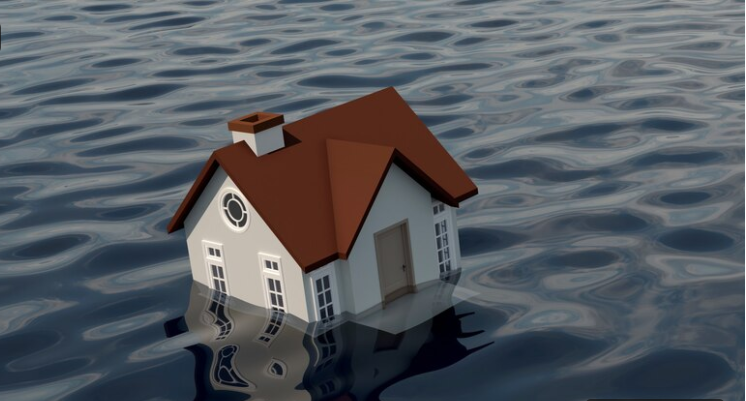
One of the biggest misconceptions about homeowners' insurance is that it covers flooding. In most cases, standard homeowners' policies don't cover flood damage caused by rising water, storm surge, or flash floods.
Separate flood insurance may be necessary through:
- The National Flood Insurance Program
- Private flood insurers
This coverage can help protect against costly water damage after hurricanes or severe storms.
Reviewing Your Policy Regularly
Insurance needs can change over time as home values, construction costs, and personal belongings increase. Reviewing your homeowners' insurance regularly can help ensure you have enough protection and understand any gaps in coverage before a disaster occurs.