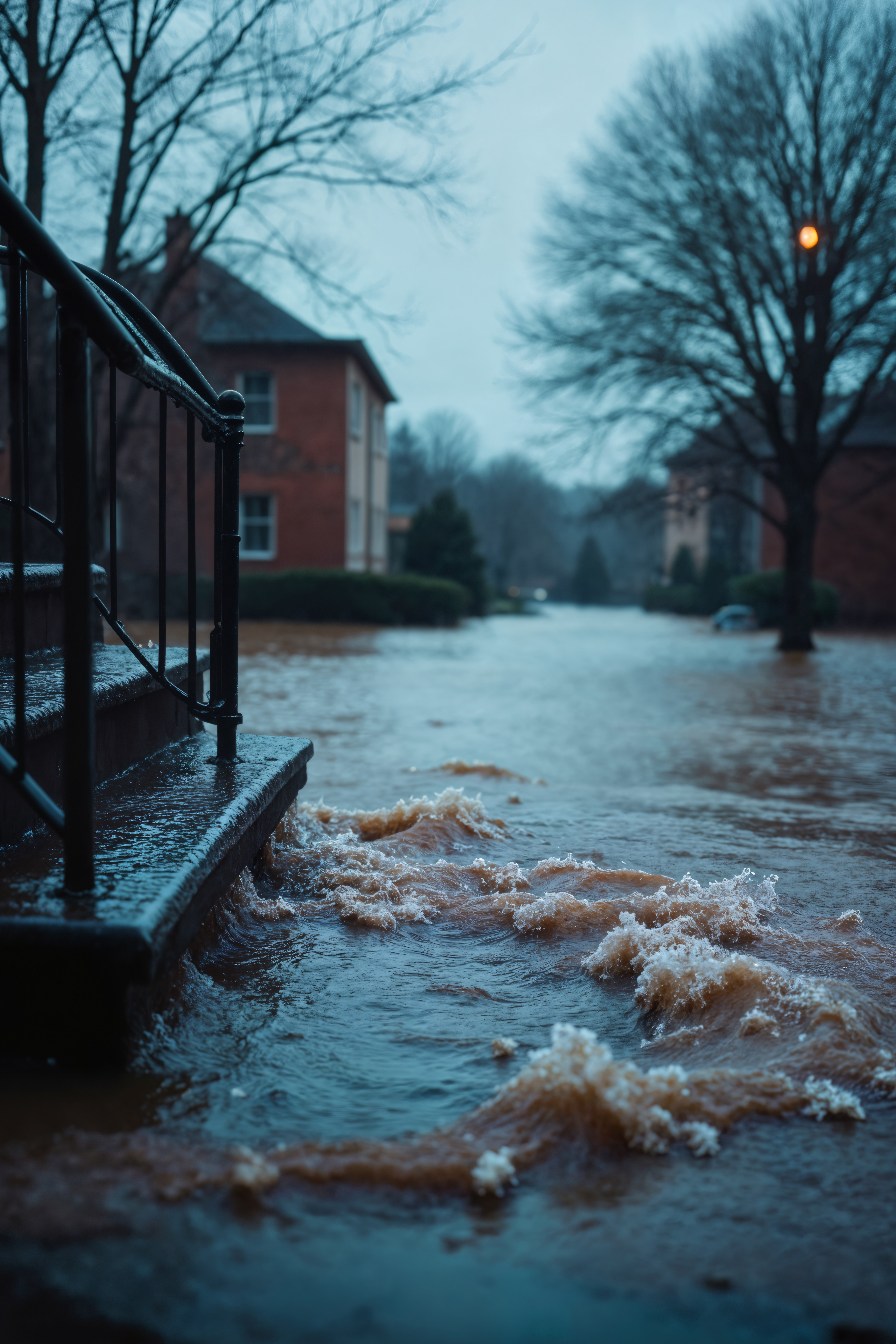
Is It Too Late to Get Flood Insurance in Texas?
With hurricane season officially beginning June 1, the clock is ticking — and for many Texas homeowners, the window to get protected before the first storm may already be closing. Here is what you need to know right now.
The 30-Day Waiting Period Is the Critical Factor
The single most important rule every Texas homeowner must understand is the mandatory waiting period. The National Flood Insurance Program, which writes the vast majority of residential flood policies in the United States, has a 30-day waiting period before any newly purchased policy takes effect. The 30-day clock starts on the first day the policy is active, not the day you purchase it — meaning a policy bought on June 1 does not begin covering you until July 1. The Texas Windstorm Insurance Association confirms this rule applies broadly — it is not limited to NFIP policies but extends to most flood insurance policies regardless of where they are purchased.
Once a Storm Is Named, It Is Already Too Late
Waiting until a hurricane enters the Gulf of Mexico to think about flood coverage is one of the costliest mistakes a Texas homeowner can make. Once a named storm enters the Gulf, most insurance companies — including TWIA — stop selling new policies or making changes to existing ones entirely. The Texas Department of Insurance warns bluntly that residents who wait until a storm is approaching will not be able to buy or change their coverage in time. By the time weather forecasters are tracking a system, the opportunity to get protected has already passed.
There Are Narrow Exceptions to the Waiting Period
A small number of situations allow coverage to begin faster than 30 days. If a Flood Insurance Rate Map revision places your home in a Special Flood Hazard Area for the first time, you have only a one-day waiting period — but only if you purchase the policy within 13 months of the map change. If your property was near a wildfire on federal land that created post-fire flood risk, and you buy the policy within 60 days of the fire's containment, the waiting period is waived entirely. Additionally, if you are simply increasing limits on an existing policy at renewal, the increase takes effect immediately. There is no option to pay extra to skip the standard 30-day wait.
The Financial Stakes Are Enormous
The cost of being uninsured when floodwaters rise is staggering. Even a single inch of floodwater inside a home can cause roughly $25,000 in damage — and repair costs escalate rapidly once flooring, wiring, and structural elements absorb water. Flooding remains one of the costliest natural disasters in the United States, causing between $18 billion and $23 billion in damage to homes nationwide every year. Maximum NFIP coverage limits are $250,000 for the dwelling and $100,000 for contents, with an average annual premium in Texas of around $700.
Act Now — Today Is May 25, 2026
The 2026 Atlantic hurricane season officially opens on June 1 — just days away. A policy purchased today would take effect on June 24, giving you coverage for the peak of hurricane season. The Texas Department of Insurance urges homeowners not to wait, warning that residents who delay until a storm is approaching may not be protected. Contact your insurance agent today, visit floodsmart.gov, or call the NFIP directly at 1-800-427-4661 to get covered before it is truly too late.