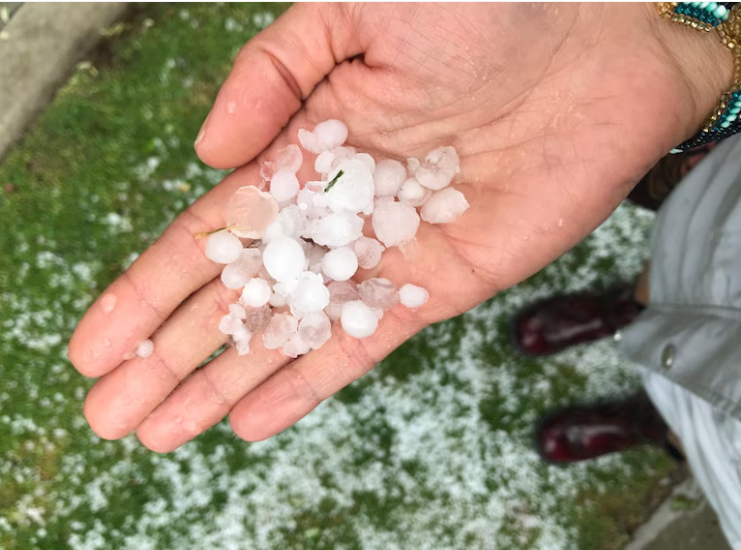
Tips for Filing A Commercial Insurance Claim for Storm Damage in Texas
Report the Damage Immediately
After a severe storm hits your business property in Texas, one of the most important steps is reporting the damage to your insurance company as soon as possible. Most commercial insurance policies require prompt notification of any loss. Delaying your claim could complicate the process or even give the insurer grounds to question the extent of the damage.
When reporting the claim, provide basic details such as the date of the storm, the type of damage observed, and whether the property is safe for inspection. Your insurer will typically assign a claim number and a claims adjuster to investigate the loss.
Document the Damage Thoroughly
Strong documentation is essential when filing a commercial storm damage claim. Before making temporary repairs, take clear photos and videos of all visible damage to buildings, equipment, inventory, and surrounding areas.
Important documentation may include:
- Photos of structural damage to roofs, walls, or windows
- Records of damaged equipment or inventory
- Weather reports confirming the storm event
- Maintenance and repair records for the property
Detailed documentation helps establish the cause of damage and can prevent disputes about whether the loss was storm-related.
Prevent Further Damage
Following a hurricane, the majority of commercial insurance policies mandate that policyholders take reasonable precautions to avoid further damage. This could entail putting plywood over damaged windows, covering roof damage with tarps, or turning off malfunctioning electrical systems.
For temporary or emergency repairs, save all of your receipts. Your policy may reimburse these expenses as part of the claims procedure.
Review Your Policy Coverage
Commercial insurance policies often include several types of coverage that may apply after a storm. These can include property damage coverage, equipment coverage, and business interruption coverage.
Business interruption coverage can help replace lost income if your operations are temporarily shut down due to storm damage.
Understanding your policy limits, deductibles, and exclusions will help you better evaluate the insurer’s settlement offer.
If your business is located in a high-risk storm region, windstorm coverage may also be provided through the Texas Windstorm Insurance Association when private insurers do not offer it.
Communicate Clearly With the Adjuster
After your claim is filed, the insurance adjuster will inspect the property and evaluate the damage. Be prepared to answer questions, provide documentation, and explain how the storm affected your business operations.
Maintaining organized records and clear communication can help the claims process move more efficiently.
Consider Professional Assistance
For large commercial losses, businesses sometimes work with contractors, public adjusters, or attorneys to help evaluate the damage and negotiate with insurers. These professionals can help ensure that repair estimates and business interruption losses are properly calculated.
Taking these steps can make the commercial storm damage claims process smoother and help businesses recover more quickly.