Is There a New COVID-19 Strain?
Yes, the "Cicada" Variant Is Spreading
Yes, there's a new COVID-19 variant gaining attention. BA.3.2, a highly mutated new COVID-19 variant that may be better able to escape immunity from vaccines or prior infection, is now spreading in the United States. Nicknamed "Cicada" because it emerged after going dormant for years, this variant has been detected across multiple states.
Where It's Been Found
As of Feb. 11, the BA.3.2 variant has been detected in at least 25 states. The variant was first identified in South Africa in November 2024 and has now been detected in at least 23 countries. It has been spreading in Europe, where it accounts for about 30% of COVID infections in some areas.
What Makes It Different
This variant is notable for its high number of mutations. BA.3.2 is notable for being "highly genetically divergent," with roughly 70-75 mutations in the spike protein, the part of the virus that allows it to bind to human cells. By comparison, other recent variants have only 30-40 mutations.
Should You Be Concerned?
The good news is that experts say it's not causing more severe illness. "It can still cause problems, of course, but it's not a more problematic strain than previous ones", according to virologists. Additionally, the new variant is still sensitive to COVID antiviral drugs that we have been developing, so at least those will work.
Vaccine Effectiveness
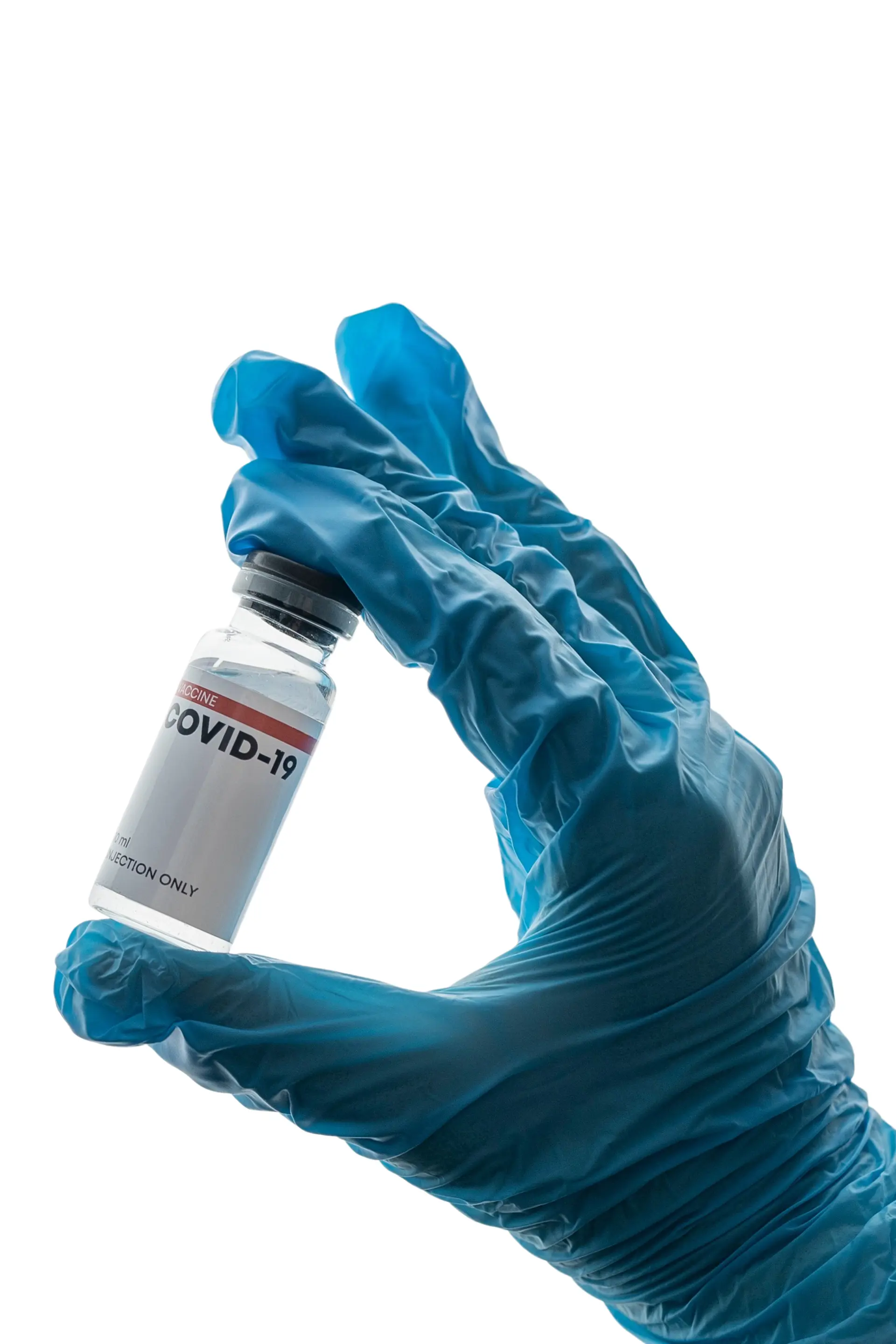
Current vaccines still provide protection, though possibly reduced. Because Cicada is part of the Omicron family of COVID viruses, updated vaccines that target Omicron's dominant strains, such as JN.1, are still effective in fighting BA.3.2. However, lab data would indicate yes, but not as much protection compared to closer-matched variants.
Current Impact
So far, BA.3.2 hasn't caused a major surge in the U.S. Only about 0.55% of Covid viruses sampled in the U.S. as of mid-March were the BA.3.2 variant. Health officials continue monitoring whether it will become the dominant strain, but for now, COVID cases remain at low levels nationally.