How Does Increased Gas Prices Affect Commercial Auto Insurance?
Indirect Impact on Premiums
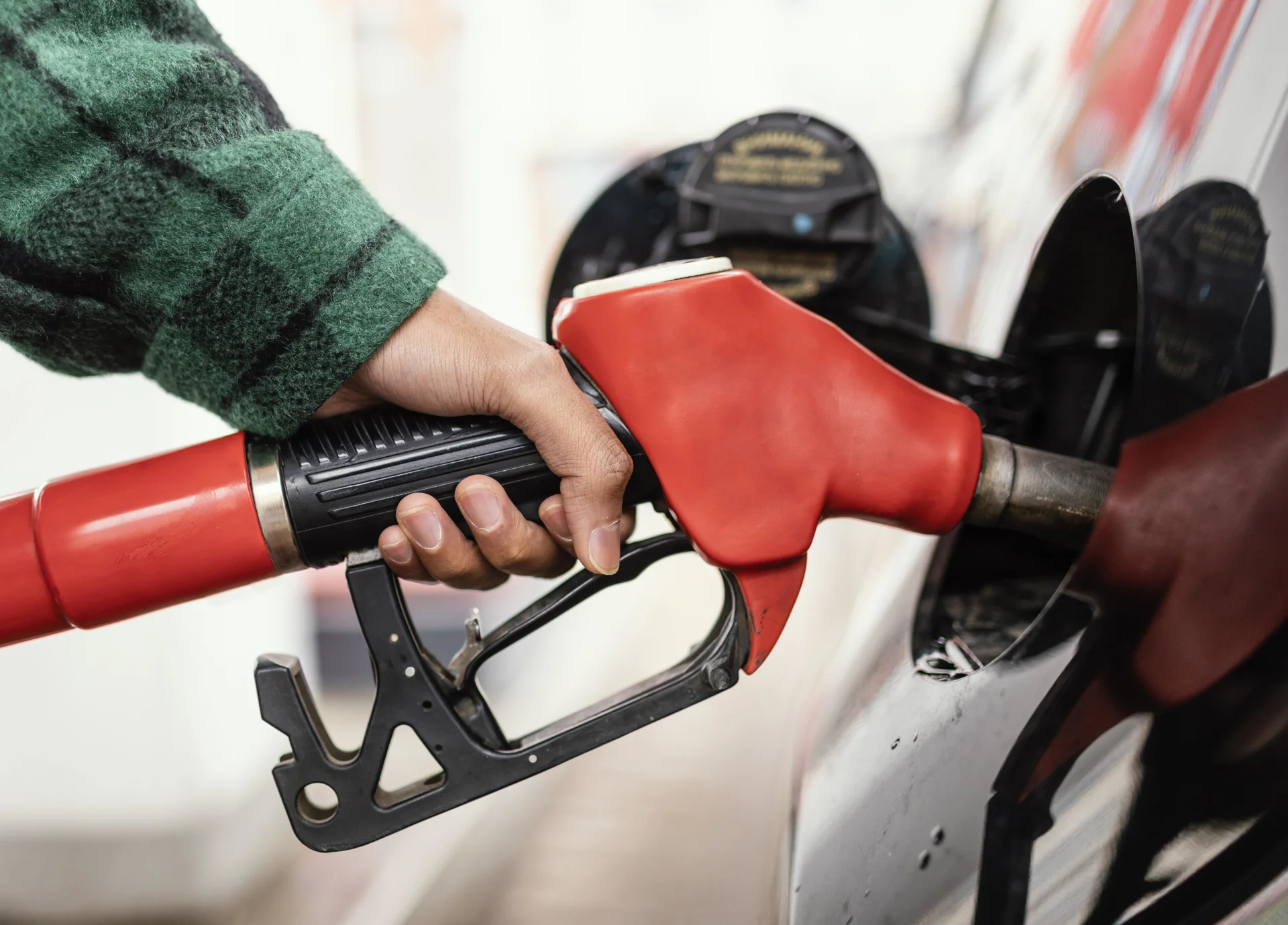
Higher gas prices don't directly change your commercial auto insurance rates, but they create ripple effects throughout the system. While gas prices themselves aren't a rating factor insurers use, they influence several cost components that ultimately affect premiums. The primary impact comes through increased operational costs that affect claim frequency and severity.
Reduced Mileage, Fewer Claims
When gas prices spike, commercial fleets often reduce unnecessary travel to control fuel costs. This reduced mileage can actually lower claim frequency since fewer miles driven means fewer opportunities for accidents. However, this benefit is typically modest and temporary, as businesses still need to operate their vehicles to maintain operations.
Increased Delivery and Repair Costs
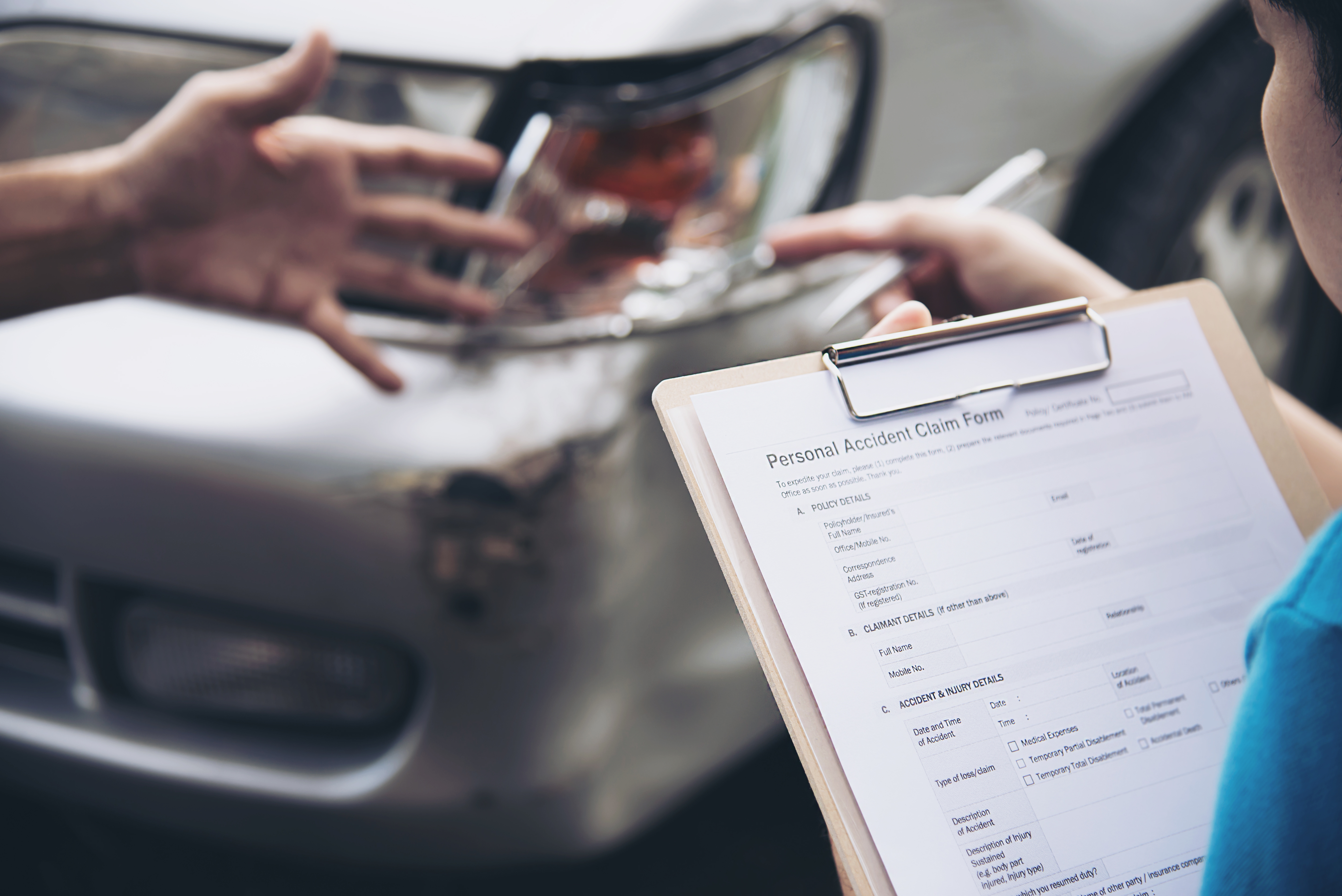
The bigger impact is on claim costs. Higher fuel prices increase the cost of towing damaged vehicles, delivering rental replacements, and transporting parts for repairs. Mobile mechanics and adjusters passing fuel surcharges onto insurers contribute to higher claim settlement costs. These increased expenses eventually translate into premium adjustments.
Economic Pressure on Fleet Operations
Most fleets should still budget for above-average increases in 2026, especially if they have recent at-fault accidents or operate heavy trucks, buses, or delivery vehicles in dense urban areas. Commercial auto remains one of the most challenging insurance lines, with sustained pressure from multiple cost factors, including fuel-related operational expenses.
Parts and Service Cost Inflation
Gas prices often correlate with broader inflationary pressures affecting vehicle parts and labor costs. When energy costs rise, manufacturing, shipping, and storing replacement parts become more expensive. This drives up repair costs, which are the largest component of physical damage claims.
What Fleet Owners Can Do
To manage costs despite gas price pressures, focus on what insurers actually evaluate. Carriers are more willing to reward strong risk management. You can improve your profile by using telematics and dashcams where appropriate, running formal driver hiring, training, and monitoring programs, and keeping documented maintenance schedules and inspection records.
The bottom line: while gas prices don't appear as a line item on your insurance bill, they contribute to the overall cost environment that shapes commercial auto insurance rates. Combined with social inflation, increased litigation, and rising repair complexity, they're part of why commercial auto insurance remains expensive in 2026.