What to Know About Fire Insurance in Texas
Fire is one of the most devastating and most commonly covered losses in Texas homeownership — but many policyholders do not fully understand what their policy covers, how claims work, or where the gaps lie. Here is everything you need to know.
Fire Coverage Is Built Into Most Texas Homeowners Policies
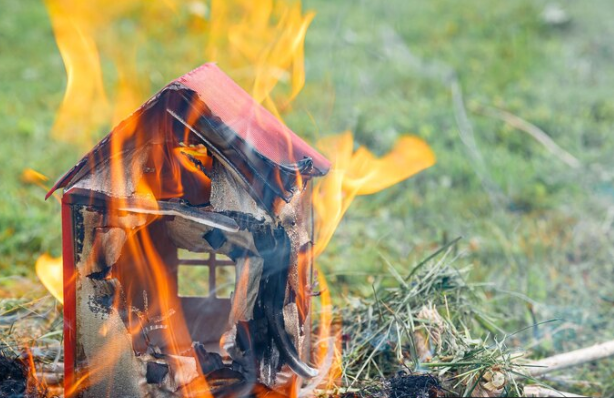
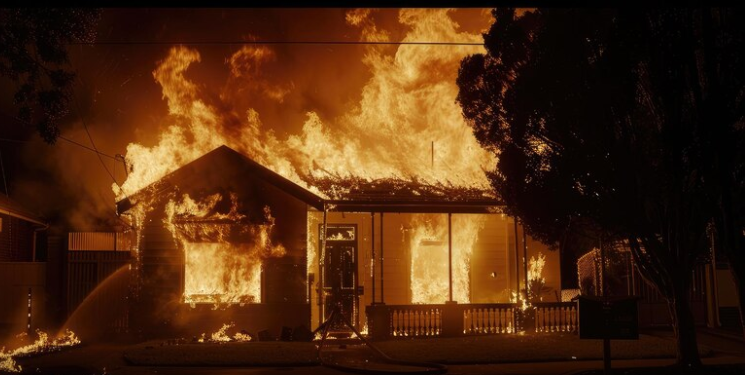
The good news for Texas homeowners is that fire protection does not require a separate policy. A normal Texas homeowners policy covers damage to your home due to fire, lightning, smoke, and storm damage — as well as theft, loss of use, personal liability, and accidents that occur to others on your property. Homeowners insurance will pay to restore or rebuild your home or property if it is damaged or destroyed in a fire or storm up to the policy limits. Keep in mind that smoke or explosion damage is usually covered as well. If you cannot stay in your home because of damage covered by your insurance, your homeowners or renters coverage may pay for a hotel or rental.
Wildfires Are Also Covered — Up to a Point
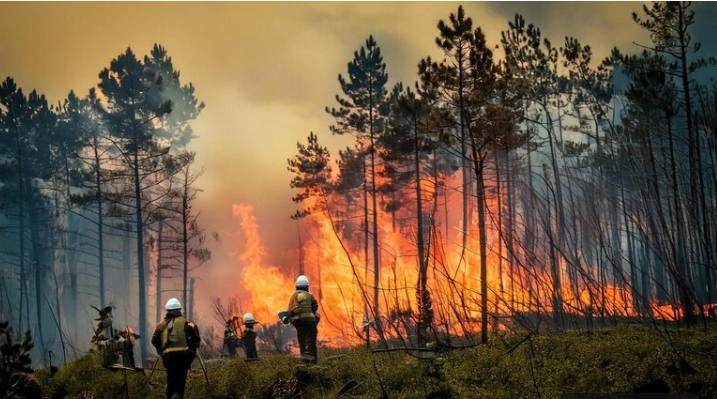
This coverage has become more important as Texas wildfires have become more common and destructive. A typical home insurance policy usually covers both wildfire damage and additional living expenses in the event that your property is temporarily unusable. However, homeowners in high-risk wildfire zones—especially those in West Texas, the Hill Country, and the Austin region—are discovering that insurance companies are either imposing far higher underwriting requirements or are becoming less willing to renew contracts. Maintaining coverage eligibility can be aided by installing fire-resistant roofs, removing defensible space, and utilizing fire-resistant building materials.
Fire Claims Are Among the Most Costly in Texas
The financial magnitude of fire losses makes adequate coverage limits non-negotiable. Bankrate's rate analysis calculates sample fire claims at $80,000 in losses for a standard Texas home, making fire one of the most expensive single-event claims a homeowner can file, second only to major structural losses. Texas fire insurance losses reached $1,091 per policy in 2024 — up from $590 per policy in 2016 — reflecting both the rising cost of rebuilding and the increasing severity of fire events across the state. Homeowners who have not updated their dwelling coverage limits in recent years may find themselves significantly underinsured at claim time.
Your Deductible Structure Matters
Fire claims are subject to the regular all-peril deductible instead of a percentage-based deductible, in contrast to flood and hail occurrences. The majority of current Texas plans divide out-of-pocket expenses into at least two categories: a distinct wind and hail deductible that is frequently percentage-based, and an all-peril deductible that applies to losses like fire and theft. This results in a flat cash deductible for fire insurance, usually between $1,000 and $2,500, as opposed to a proportion of your home's insured value, making out-of-pocket expenses for fire claims more predictable in general.
When Standard Coverage Is Not Enough — The FAIR Plan
If you are denied home insurance coverage because your home is considered too high-risk, you may be eligible for a policy through the Texas FAIR Plan. Texas FAIR Plan Dwelling Policies must provide coverage for the perils of fire and lightning as a minimum, with coverage for additional perils available as optional endorsements. The FAIR Plan is the insurer of last resort in Texas and is available through any licensed property and casualty agent in the state. Contact the Texas FAIR Plan Association directly at 800-979-6440 if you have been denied coverage in the standard market.