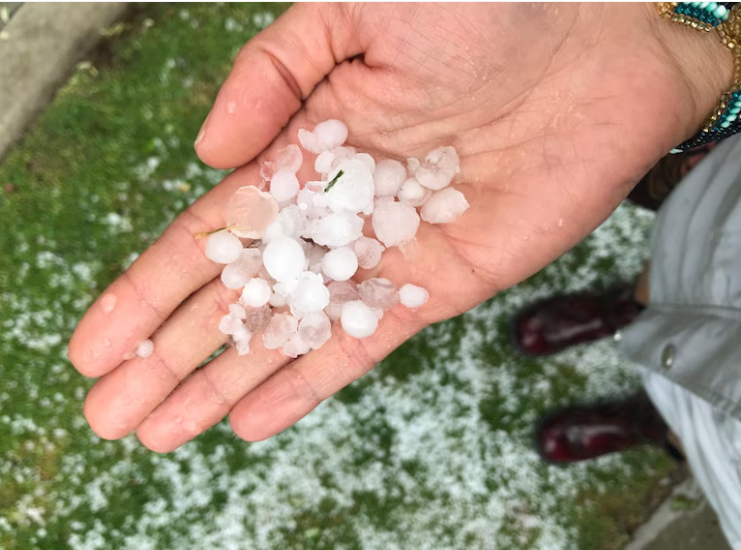
How Can I Prepare for Severe Weather This Year?
Severe weather can strike with little warning, especially in areas prone to storms, flooding, hurricanes, freezes, or extreme heat. Preparing ahead of time can reduce property damage, protect your family, and help ensure smoother insurance claims if a loss occurs.
Review Your Insurance Coverage
Start by reviewing your home, auto, and business insurance policies. Make sure coverage limits reflect current replacement costs and that deductibles are affordable. In areas prone to flooding, confirm whether you have a separate flood insurance policy, as flood damage is not covered under standard homeowners insurance. Understanding what your policy covers before a storm can prevent costly surprises.
Strengthen and Maintain Your Property
Routine maintenance plays a critical role in weather preparedness. Trim trees and branches near your home, secure loose outdoor items, clean gutters, and inspect your roof for damaged shingles. Seal windows and doors to reduce water intrusion and reinforce garage doors if high winds are common. For businesses, secure signage, outdoor equipment, and inventory stored near doors or windows.
Create an Emergency Plan and Supply Kit
Develop a plan for evacuations, sheltering, and communication. Identify safe areas in your home and designate meeting points if family members are separated. Assemble an emergency kit with water, food, medications, flashlights, batteries, chargers, and important documents. Businesses should establish continuity plans to protect employees and minimize operational downtime.
Protect Important Documents and Valuables
Store insurance policies, IDs, and financial documents in waterproof containers or digital cloud storage. Photograph or video your home, vehicle, and belongings to create a current inventory. This documentation can significantly speed up insurance claims after severe weather.
Prepare Vehicles for Weather Risks
Park vehicles in garages or away from trees when possible. Ensure tires, brakes, and windshield wipers are in good condition. For flood-prone areas, avoid parking in low-lying spots and never drive through standing water.
Plan for Power Outages
Severe weather often causes power outages. Consider surge protectors, backup batteries, or generators. If you use a generator, follow safety guidelines to prevent carbon monoxide poisoning.
Conclusion
Preparing for severe weather is an ongoing process that combines insurance readiness, property maintenance, and emergency planning. Taking proactive steps now can reduce damage, protect lives, and make recovery easier when severe weather strikes.