Additional Coverage for Winter Storm Damage in Texas
Winter storms in Texas can bring freezing temperatures, sleet, ice, power outages, and property damage. While many homeowners and drivers have standard insurance policies, these policies may not cover every type of winter-related loss. Whether you need additional coverage depends on your risks, location, and existing policy limits.
What Standard Insurance Usually Covers
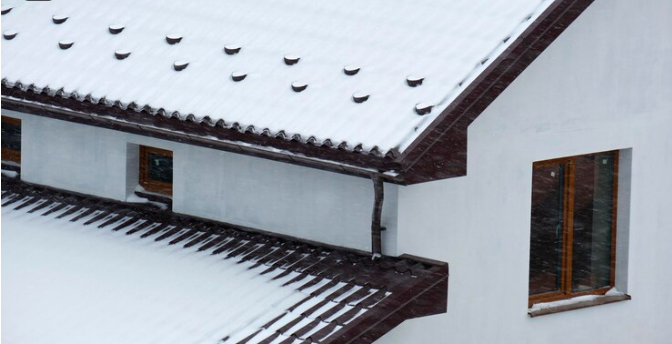
Most Texas homeowners' insurance policies cover damage caused by sudden and accidental winter events, such as burst pipes, roof damage from ice or sleet, and water damage resulting from freezing pipes. Auto insurance policies with comprehensive and collision coverage typically cover sleet-related vehicle damage and winter driving accidents.
However, coverage is subject to deductibles, exclusions, and policy conditions, such as maintaining heat during freezing weather. Understanding what your base policy covers is the first step.
Common Coverage Gaps to Watch For
One of the biggest gaps is flood damage. Melting ice or snow that causes flooding is usually excluded from homeowners' insurance and requires a separate flood insurance policy. Older homes with outdated plumbing or roofs may also face claim denials if insurers determine the damage was caused by wear and tear rather than the storm.
Power outage losses can also be limited. Food spoilage and utility interruption may only be covered up to small sub-limits or not at all without endorsements.
Optional Coverages Worth Considering
Several optional coverages can provide added protection during winter storms:
- Water backup coverage for sewer or drain backups caused by freezing
- Service line coverage for damage to underground pipes and utility lines
- Increased personal property limits for high-value items
- Loss of use or additional living expense enhancements if outages or damage force you out of your home
- Utility service interruption coverage for extended power failures
For vehicles, comprehensive and collision coverage are essential during winter weather.
Renters and Business Owners
Renters should consider renters’ insurance, which can cover personal belongings and temporary living expenses after winter-related damage. Business owners may need endorsements for utility service interruption, business interruption, or equipment breakdown coverage to address storm-related closures.
How to Decide What You Need
Review your current policies, paying close attention to exclusions, deductibles, and coverage limits. Consider your home’s age, location, past winter storm losses, and how long you could financially handle being without power or access to your property.
Conclusion
Standard insurance provides important protection during Texas winter storms, but it may not cover every risk. Adding targeted endorsements can help close coverage gaps and reduce financial stress when severe weather strikes.