Are Frozen Pipes Covered in Commercial Buildings?
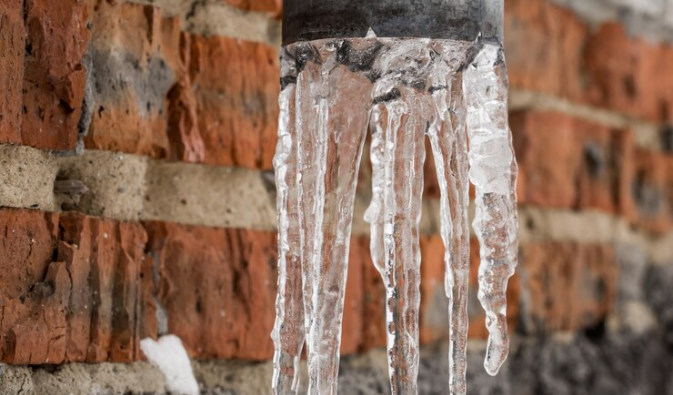
Frozen pipes are a common and costly problem during winter storms, especially in Texas, where buildings may not be designed for prolonged freezing temperatures. Whether damage from frozen pipes is covered in a commercial building depends on the cause of the loss and the terms of the insurance policy.
Commercial Property Insurance Coverage
Most commercial property insurance plans cover damage that happens quickly and by accident, such as pipes bursting because of freezing temperatures. Any damage to walls, floors, equipment, or inventory caused by water when a pipe freezes and cracks is usually covered by standard commercial property insurance.
However, the policy usually covers the damage caused by the burst pipe, not the cost to repair the pipe itself if the freezing was due to wear, poor insulation, or maintenance issues.
Maintenance and Negligence Considerations
Insurance companies expect business owners to take reasonable steps to prevent freezing. Claims may be denied if the insurer determines the building was not properly heated, the plumbing system was poorly maintained, or the property was left vacant without proper winterization. Many policies include provisions requiring heat to be maintained during cold weather.
Vacant or Unoccupied Buildings
Coverage for frozen pipes can be more limited in vacant or seasonally closed commercial properties. Some policies exclude freeze damage unless specific conditions are met, such as draining plumbing systems or maintaining minimum heat levels. Endorsements may be required to extend coverage during periods of vacancy.
Business Interruption Impacts
If frozen pipes cause physical damage that forces a business to close temporarily, business interruption coverage may apply. This can help replace lost income and cover ongoing expenses while repairs are being made, provided the damage is caused by a covered peril.
What Is Typically Not Covered
Damage caused by gradual leaks, long-term neglect, or failure to winterize is usually excluded. Additionally, flooding caused by melting ice or snow may require separate flood insurance coverage.
Steps to Protect Coverage
Business owners should install freeze alarms, maintain heat during cold weather, insulate exposed pipes, and record winterization actions to ensure coverage. Report the damage as soon as possible after a loss and take action to stop more damage.
Conclusion
Frozen pipelines in commercial buildings are frequently covered when the damage occurs unexpectedly and unintentionally; however, coverage is highly contingent upon maintenance practices, occupancy status, and the specific terms of the policy. Reviewing your commercial insurance policy prior to the onset of winter weather can help prevent unexpected and costly issues.