Do I Need Wildfire Coverage in Texas?
Yes — wildfire insurance coverage is increasingly important in Texas, even for homeowners who don’t live in traditionally high-risk forest areas. As drought, heat waves, and extreme weather become more common, wildfire risk has expanded into suburban, rural, and grassland regions across the state. Having the right insurance coverage can protect you from devastating financial losses.
Are Wildfires Covered by Standard Homeowners Insurance?
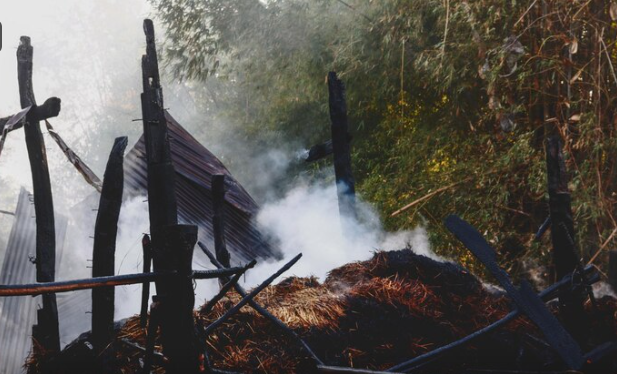
In most cases, wildfire damage is covered under standard homeowners insurance policies (such as HO-3). Coverage typically includes damage caused by:
- Flames and direct fire damage
- Smoke damage
- Ash and soot contamination
- Heat-related structural damage
Policies generally cover repairs or rebuilding, personal property replacement, and additional living expenses (ALE) if your home becomes uninhabitable.
Why Wildfire Risk Is Rising in Texas
Texas has experienced longer droughts, higher temperatures, and more frequent wind-driven fires in recent years. Wildfires are no longer limited to heavily wooded areas — grass fires and brush fires can spread rapidly to residential neighborhoods.
High-risk regions include:
- Central Texas
- West Texas
- The Hill Country
- Areas near open land, ranches, or undeveloped property
Even urban homeowners can be affected by wind-blown embers traveling miles ahead of active fires.
What May NOT Be Covered Without Extra Protection
While fire damage is usually covered, some wildfire-related costs may require additional coverage, such as:
- Full replacement cost coverage if rebuilding costs exceed policy limits
- Debris removal and land clearing beyond standard limits
- Smoke remediation beyond basic coverage
- Coverage for detached structures like sheds or garages
- High-value personal property unless specifically scheduled
Homeowners in higher-risk zones may also face higher deductibles or policy restrictions.
Should Texas Homeowners Consider Extra Wildfire Coverage?
You may want enhanced coverage if you:
- Live near brush, wooded areas, or undeveloped land
- Own a high-value home or custom-built property
- Want guaranteed replacement cost if rebuilding expenses surge
- Have valuable personal property that exceeds standard limits
Some insurers offer extended replacement cost or endorsements designed to better protect wildfire-prone homes.
How to Reduce Wildfire Risk and Insurance Costs
Homeowners can help lower risk — and potentially premiums — by:
- Clearing dry vegetation and brush around the home
- Installing fire-resistant roofing and siding
- Creating a defensible space perimeter
- Keeping gutters and roofs free of debris
- Maintaining updated home insurance coverage limits
Conclusion
Even if wildfires seem unlikely in your area, Texas homeowners should strongly consider wildfire coverage as part of their insurance plan. With growing climate risks and rising rebuilding costs, adequate coverage can mean the difference between recovery and financial hardship.